
AI Avatar & Virtual Influencer Content for Brands: A Non-NSFW Workflow

Key Takeaways
- Brands that want a recurring "face" for social content usually run into the same problem: reshoots and talent contracts are expensive and slow for what's often just a consistency requirement.
- A virtual-influencer workflow starts with one strong base character, then uses reference-based generation to keep that character recognizable across new campaigns, products, and settings.
- This is consistency-with-effort, not a permanent one-click digital actor — and disclosure norms for AI-generated spokespeople are the brand's responsibility to follow in its own market.
The recurring-spokesperson problem
A lot of brand content calendars need the same "face" to show up again and again — a mascot, a spokesperson character, a recognizable avatar tied to the brand. Doing that with real photography or a hired talent means booking a shoot (or several) every time a new campaign, product, or season needs new content. That's a real cost for what's frequently just a consistency requirement: the brand doesn't need a different person each time, it needs the same character in a new setting.
What a virtual-influencer workflow actually needs
The core requirement is straightforward: one strong, well-defined base character, and a reliable way to generate new content that keeps that character recognizable. The base character is worth getting right — clear features, a consistent styling choice (outfit, color palette, general look) that reads as "on brand" — because everything else builds from it.
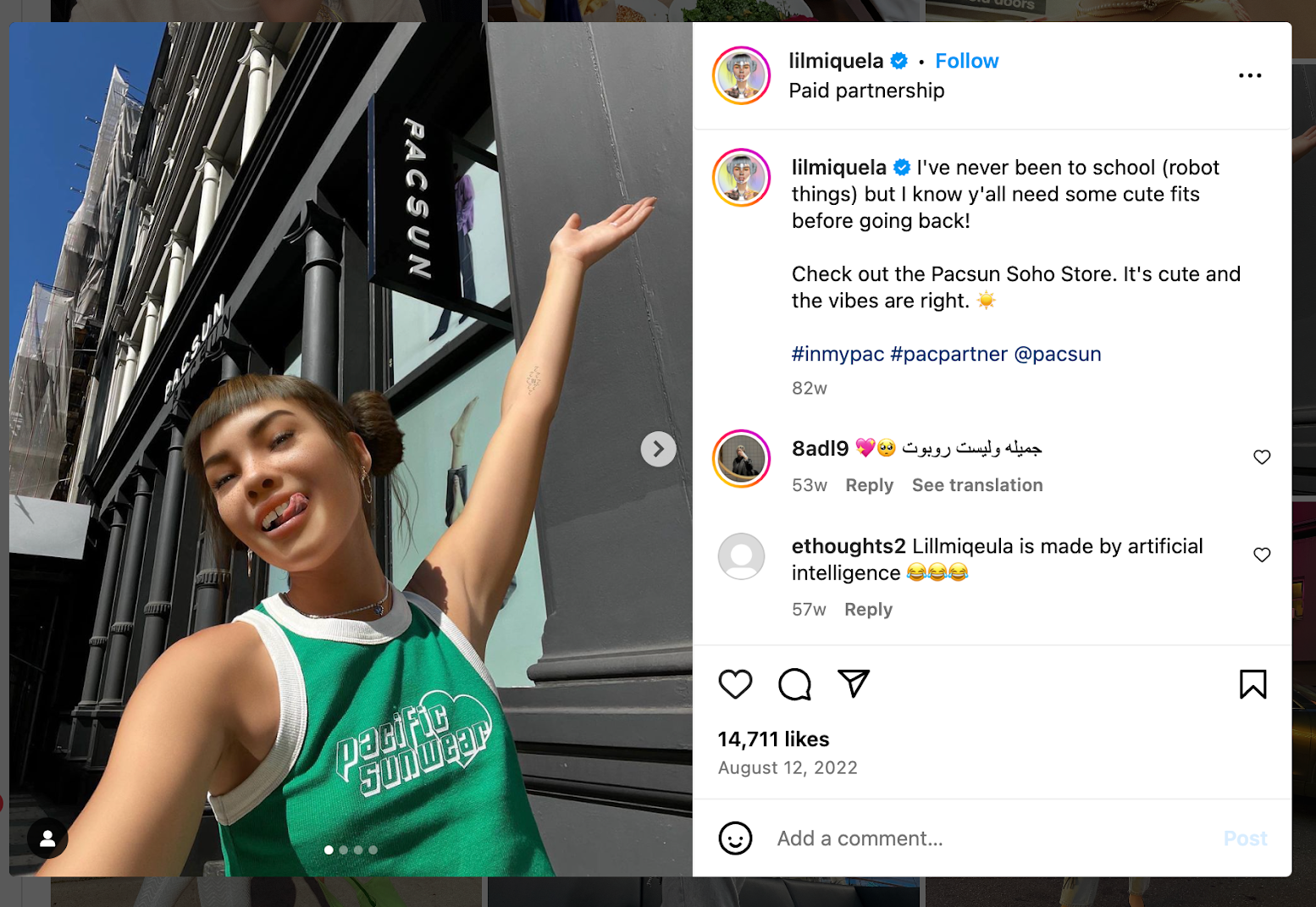
The workflow: base character, then repeatable content
Base character — establish the look once: a clear portrait that captures the character's defining features and styling. This becomes the reference for everything that follows.
New content, same character — for each new piece of content, feed the base portrait back in as a reference and describe the new context: a product in hand, a seasonal setting, a different platform's format. Seedream 4.5's reference-based (ref2i) generation or Hunyuan Image 3 Instruct's instruction-based editing both work here, depending on whether the new piece is closer to "generate a new scene with this character" or "edit this specific existing image."
Same honesty note that applies to every consistency workflow: this holds the character's look steady more reliably than starting from scratch each time, but it isn't a guaranteed identity lock. Some variation across generations is normal — pick the best result rather than expecting every attempt to match exactly.
Practical use cases
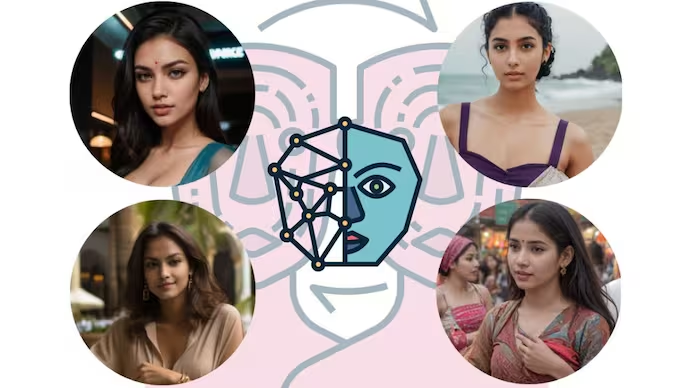
The obvious fits: a mascot appearing alongside a rotating lineup of products, seasonal or campaign-specific variations of the same spokesperson character, and a consistent avatar reused across multiple platforms where a brand wants one recognizable "face" rather than a different one per channel.
A responsible-use note
Using an AI-generated character as a brand spokesperson raises the same disclosure questions any AI-generated marketing content does — whether an audience needs to be told the "face" isn't a real person, and under what circumstances. Those norms vary by market and platform, and following them is the brand's responsibility, not something enforced by the generation tool itself. Worth checking applicable advertising guidelines before running a virtual spokesperson at scale.
For the equivalent workflow built for NSFW/adult character content rather than brand marketing, see Virtual Influencer NSFW AI: Building Consistent Characters with Siray — that's a distinct, separate use case from the brand-safe workflow described here.
Create your free Siray account and build a consistent brand avatar today.