The Top 7 Best Image Generation AI Models of 2025

If you’ve tried keeping up with AI image generators lately, you know it’s exhausting. Just when you master one prompt structure, a new model drops that changes the rules. But 2025 has felt different. The conversation has shifted from "look how weird this AI hand looks" to actual, reliable professional workflows.
At Siray.AI, we don't just host these models; we stress-test them daily. We’ve moved past simple text-to-image novelty and into the era of precision editing and brand consistency.
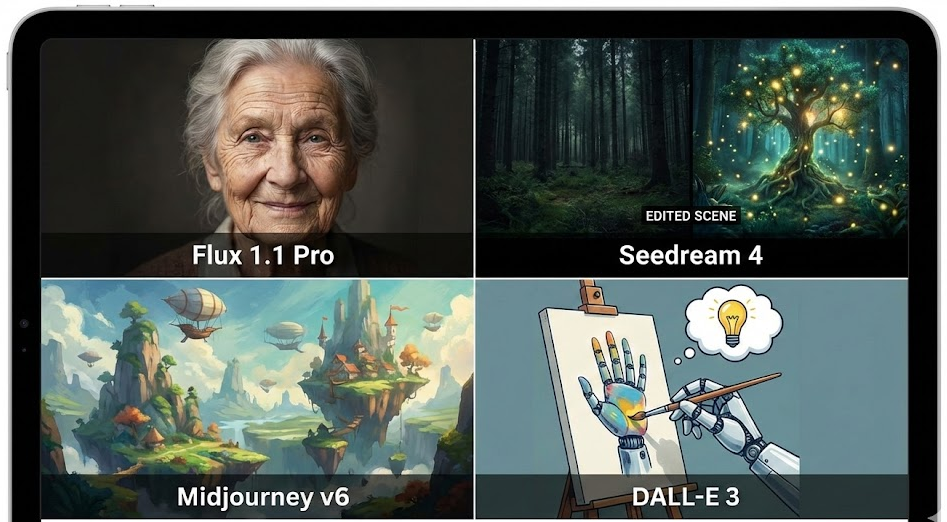
With the recent launch of enhanced Flux variants and the massive updates to Seedream, the landscape is crowded. To help you cut through the noise, we compared the seven top contenders—from Nano Banana2 to Flux 1.1 Pro. We looked at the benchmarks, but more importantly, we looked at how they handle the real work.
The Breakdown: Speed vs. Control
Before we get into the weeds, here is the high-level view based on data from the ArtificialAnalysis.ai Arena as of November 2025.
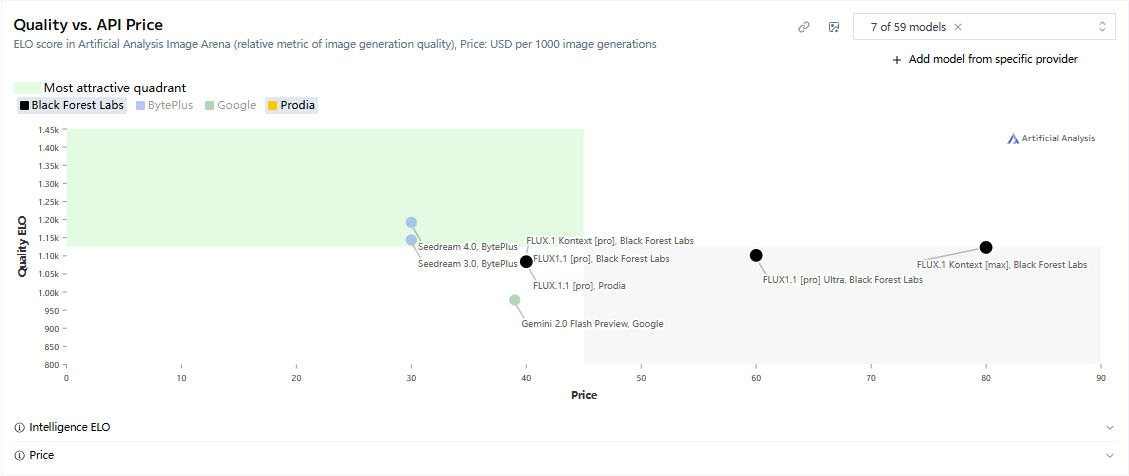
If you are looking for pure speed and aesthetics, the Flux family is currently dominating. However, if your workflow involves heavy text rendering or complex editing, Seedream is punching above its weight.
| Model | ELO Score (ArtificialAnalysis.ai) | Text-to-Image Speed (1024x1024) | Image-to-Image Strength | Best For (Use Case) |
|---|---|---|---|---|
| Nano Banana2 | 1,201 | 4-6 seconds | Contextual edits | Photo manipulation |
| Flux Kontext Pro | 1,185 | 3.2 seconds | Local editing | Targeted changes |
| Seedream 4 | 1,205 (top-ranked) | 3 seconds (2K native) | Multi-reference blending | High-res campaigns |
| Flux Kontext Max | 1,190 | 3.8 seconds | Style reference | Brand consistency |
| Seedream 3 | 1,180 | 5 seconds (2K) | Typography | Design layouts |
| Flux Pro Ultr | 1,195 | 10 seconds (4MP) | Ultra-resolution | Print-ready assets |
| Flux 1.1 Pro | 1,200 (highest overall) | 2 seconds | Prompt diversity | Rapid ideation |
The Deep Dive: How They Actually Feel to Use
Nano Banana2: The Social Media Growth Hack
Powered by Gemini 2.5 Flash, Nano Banana2 is what we recommend for marketers who need to repurpose content fast. It’s not just about generating an image; it’s about fixing one.
In our tests, we took a standard portrait and asked it to "add a blizzard background." Usually, AI struggles here—it tends to distort the face when changing the background. Nano Banana2 kept the likeness nearly 95% intact. It’s a bit slower at 4K resolution, but if you need to turn one product shot into five different seasonal assets for a social campaign, this is your tool.

Flux Kontext Pro: The Surgeon
If Nano Banana2 is the broad brush, Flux Kontext Pro is the scalpel. This model from Black Forest Labs tops the charts for "local editing."
We tried a common e-commerce headache: taking a car photo and changing the paint color to red without messing up the reflections or the background scenery. It isolated the object almost perfectly. For teams building product configurators or needing variant generation without re-rendering everything from scratch, this is a massive time-saver.

Seedream 4: The 4K Marketing Machine
ByteDance’s Seedream 4 is currently the heavyweight for resolution. It hit an ELO of 1,205, but the real story is how it handles inputs.
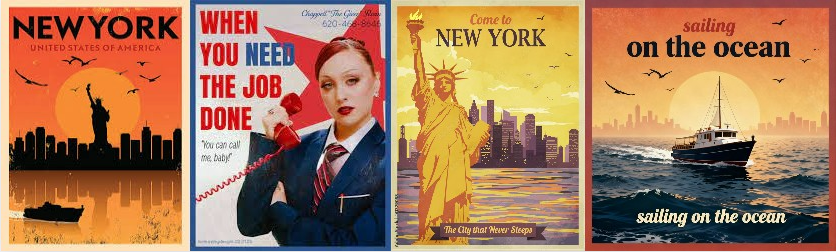
Most models get confused if you feed them two or three reference images. Seedream 4 lets you blend up to six. We tested a workflow where we merged an old festival poster style with a new color palette and updated text. It retained the fonts and colors surprisingly well. If you are running a high-res campaign and need to scale visuals that look consistent, this is the one to beat.
Flux Kontext Max: The Brand Guardian
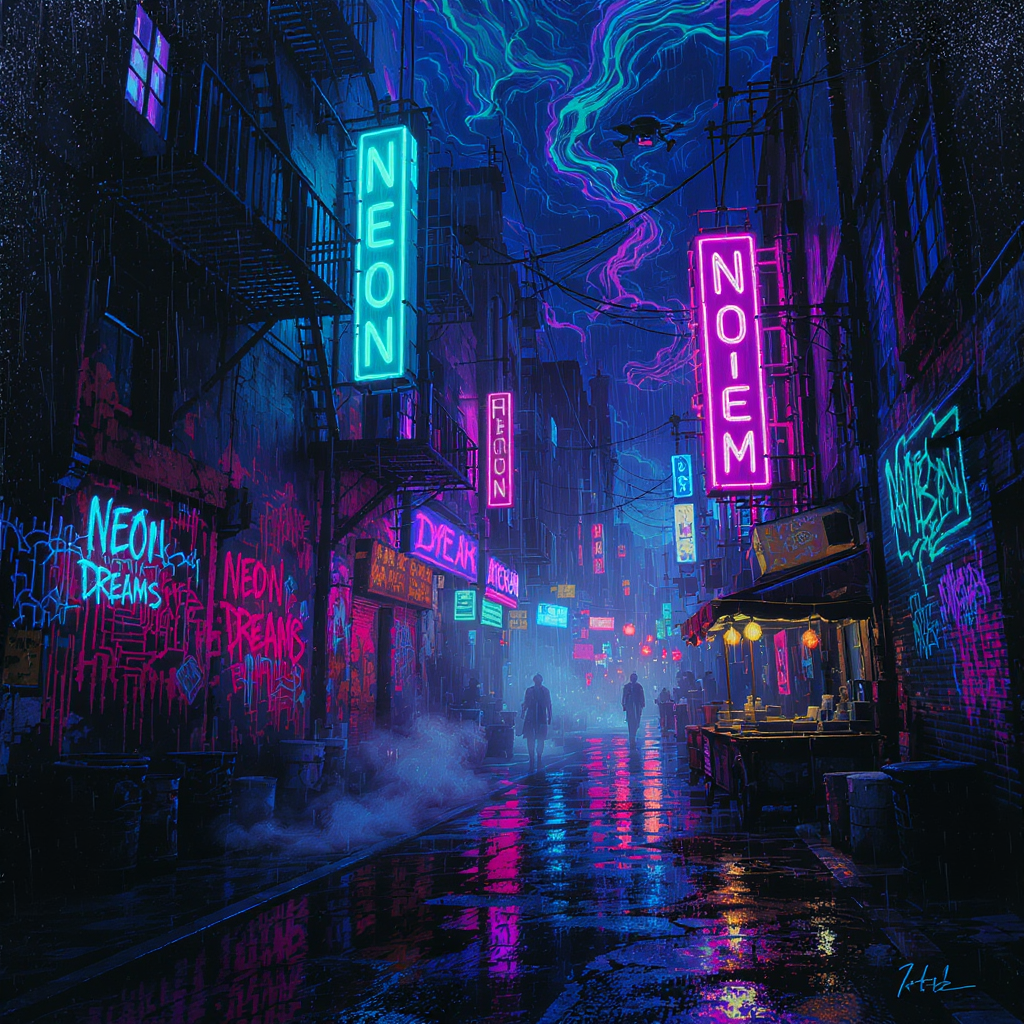
Consistency is the hardest part of AI generation. Flux Kontext Max is an experimental upgrade designed specifically to solve "style drift."
When we prompted it for a "cyberpunk alley in oil painting style," it didn't just give us one good image; it gave us a coherent set that looked like they belonged in the same art book. For storytelling or storyboarding where characters need to look the same in frame 1 and frame 10, this model is currently outperforming the standard Pro version.
Seedream 3: The Typographer
While Seedream 4 is the new flagship, Seedream 3 still holds a specific niche: text. If you've ever tried to get an AI to write a sign, you know the pain of gibberish letters.
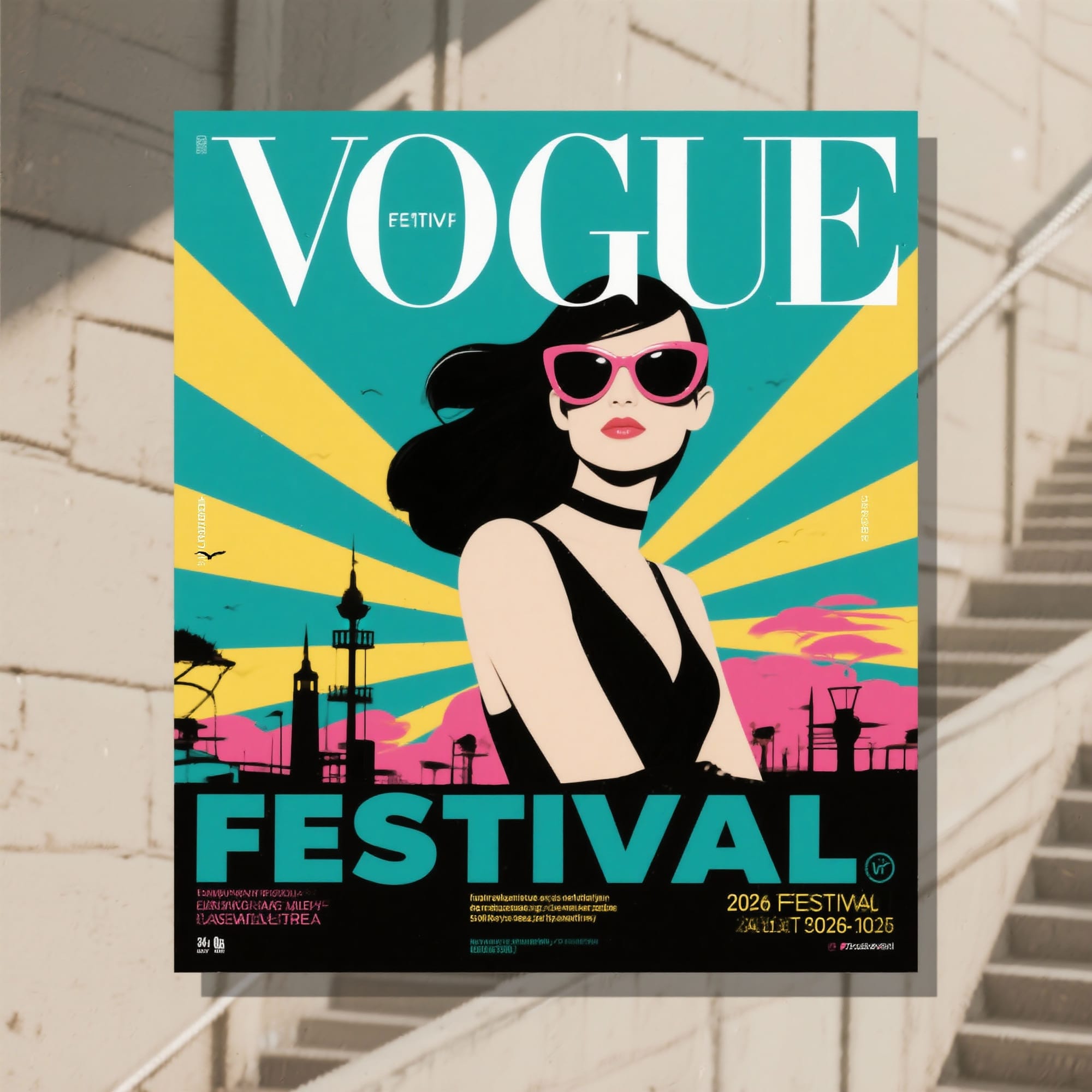
Seedream 3 excels at bilingual text rendering and layout. We asked for a "festival poster in Vogue style," and the typography was clean and legible. It’s a great tool for designers who want to mock up layouts without opening Photoshop immediately.
Flux Pro Ultr: For the Pixel Peepers
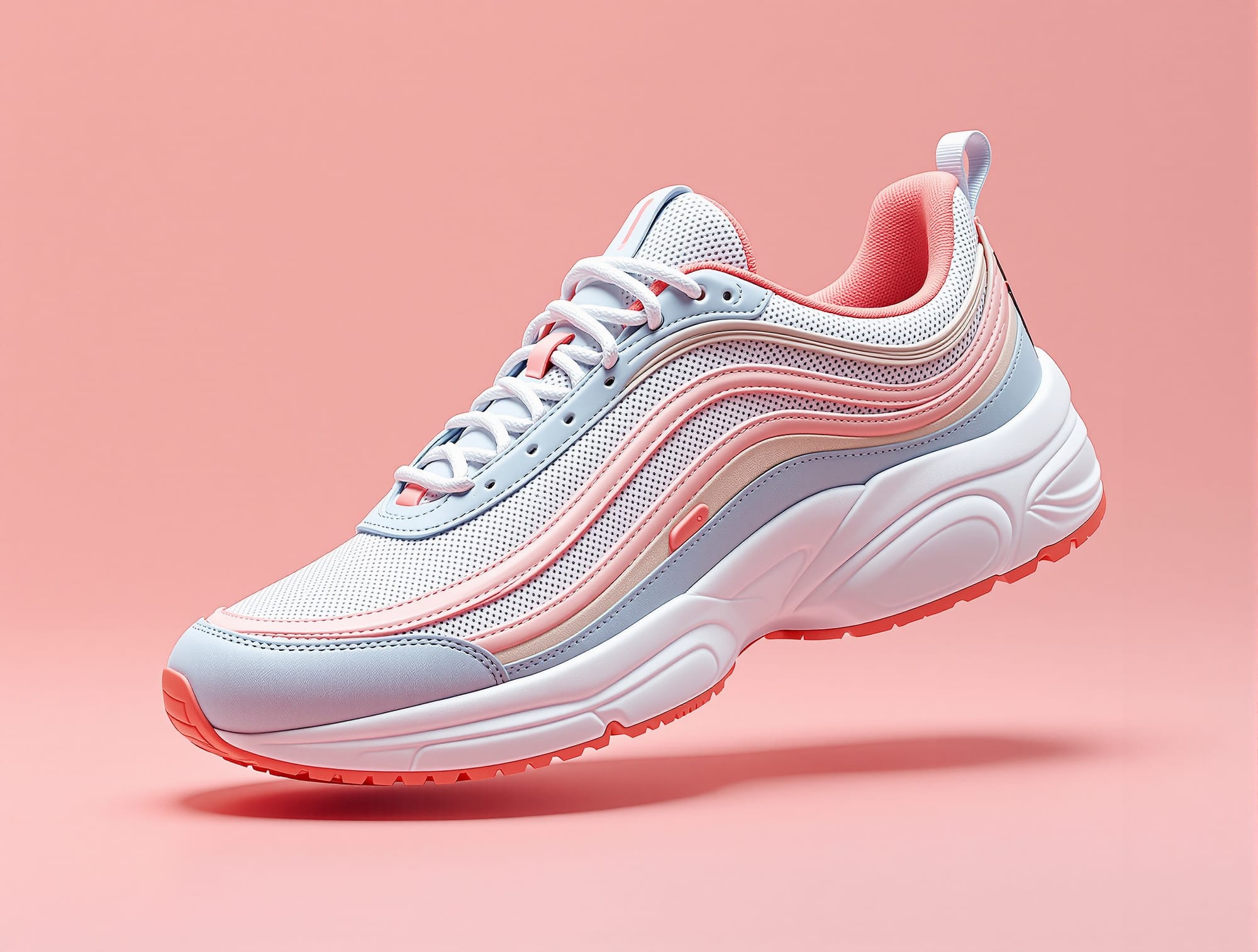
Sometimes, you just need pixels. Lots of them. Flux Pro Ultr pushes 4 megapixels in about 10 seconds.
We tested this with a prompt for a "detailed sneaker on a glossy surface." The texture of the shoelaces and the micro-reflections were distinct. If you are printing physical assets—like billboards or magazine ads—where upscaling usually introduces artifacts, starting with Ultr’s native high resolution is a safer bet.
Flux 1.1 Pro: The Speed Demon
If you are staring at a blank page and need ideas now, go with Flux 1.1 Pro. It’s the highest-rated overall model for a reason.
It generates in 2 seconds. That speed changes how you work—you can iterate through 20 ideas in the time it takes other models to generate five. It’s excellent for that "cold start" phase of a project where you need to visualize concepts rapidly before committing to a final direction.
Which One Should You Choose?
There is no single "best" model anymore, only the best model for your specific bottleneck:
- Need to iterate on ideas instantly?
- Use Flux 1.1 Pro.
- Need to fix an existing image or swap a background?
- Nano Banana2 or Flux Kontext Pro.
- Need text or complex blends for ads?
- Seedream 4.
- Need high-res print assets?
- Flux Pro Ultr.
At Siray.AI, we’ve integrated all these models into a single interface so you don't have to manage seven different subscriptions. Whether you are hacking growth for a startup or managing an enterprise design team, the goal is to spend less time prompting and more time creating.
Want to test them side-by-side? Head over to Siray.AI and try them out with your own prompts.