GPT Image 1.5: The biggest upgrade of image generation tool

For the last two years, generative AI has felt a bit like a slot machine. You drop in a prompt, pull the lever, and hope the machine doesn't misspell "Coffee" as "Covfefe" or give your human subject six fingers.
With the release of GPT Image 1.5, OpenAI seems to have finally tired of the chaos.
Released mid-December 2025, this isn't just a "DALL-E 3 HD." It represents a fundamental pivot in architecture—moving away from pure diffusion randomness toward what OpenAI calls "Instructional Fidelity." In plain English: it actually listens to you.
At Siray.AI, we’ve spent the last week running this model through the gauntlet. We’ve tested it against the current heavyweights—Midjourney v6 and Google’s Gemini 3 Pro—to answer one question: Is this model production-ready?
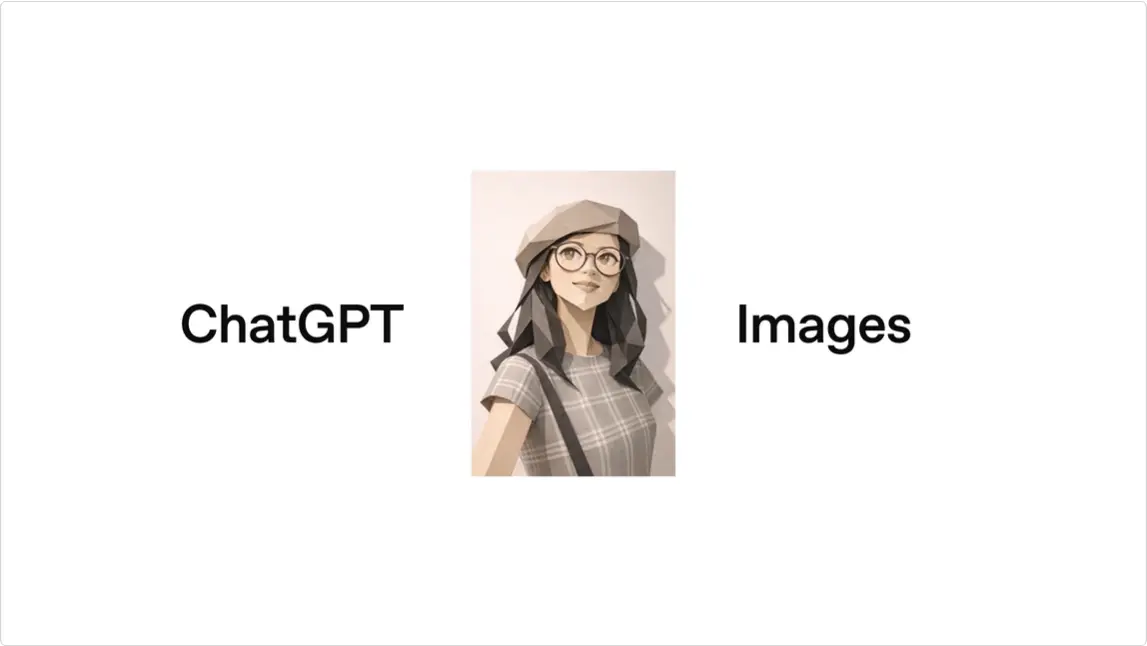
The Headline Stats: Speed and Accuracy
First, let’s look at the benchmarks. According to data from Artificial Analysis, GPT Image 1.5 has debuted with an impressive ELO score of 1273 on the text-to-image leaderboard.
That number is significant. It places it squarely above Gemini 3 Pro (often nicknamed "Nano Banana" in dev circles), which had held the top spot since November.
But ELO scores are abstract. Here is what that score means for your actual workflow:
- 4x Faster Generation: The latency issues that plagued DALL-E 3 are gone. Images render in near real-time, making iterative work feasible for the first time.
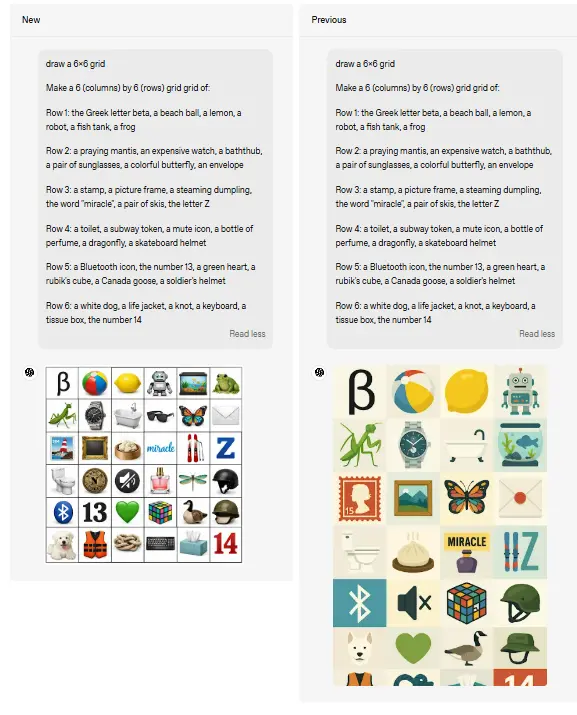
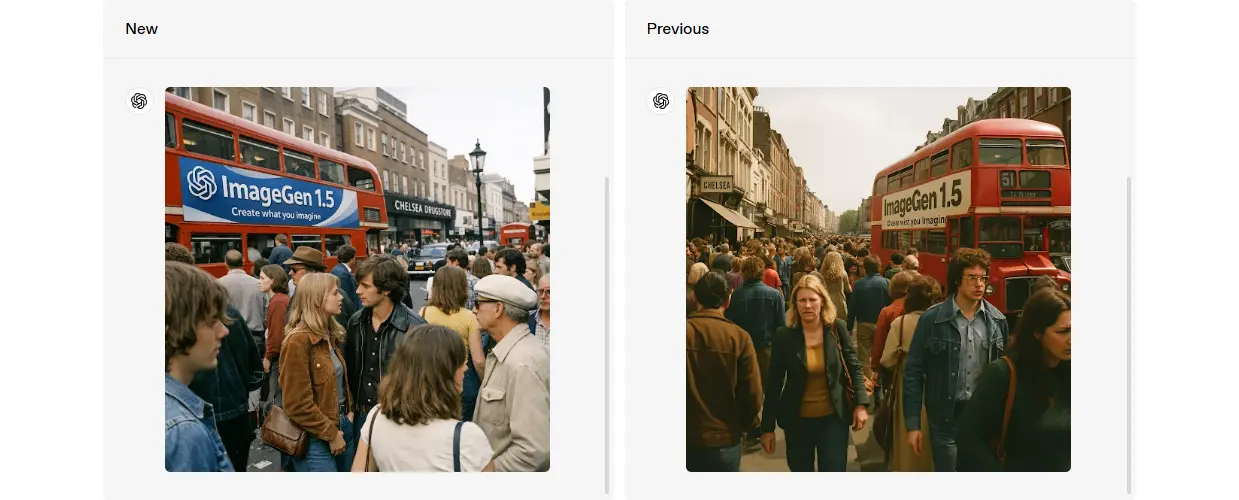
- Text Rendering: This is the "killer app." If you ask for a neon sign that says "Cyberpunk," you get "Cyberpunk"—not "Cyborpunnk."
- Complex Instruction Following: You no longer need to write 300-word prompts to prevent the AI from hallucinating. Concise, direct instructions work best.
Feature Deep Dive: The End of "Concept Bleeding"
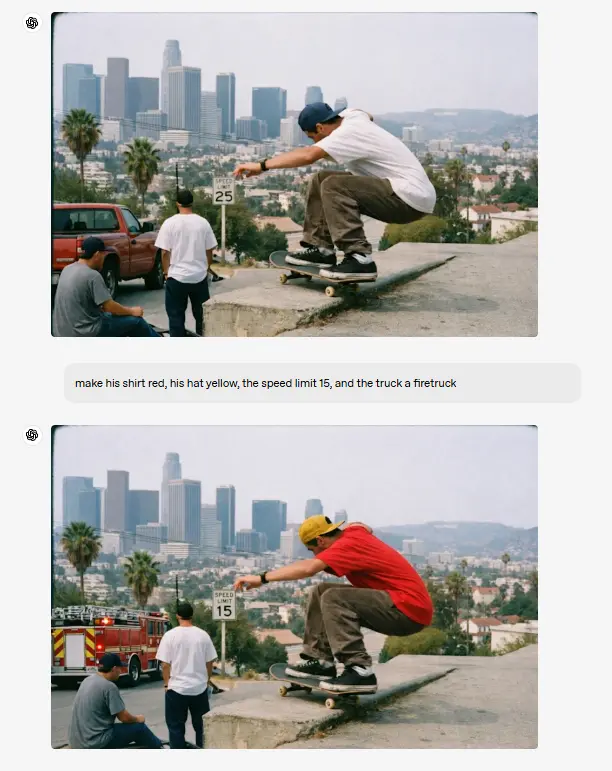
The biggest frustration with older models was "concept bleeding." If you asked an AI to "change the car from red to blue," it would often change the background, the time of day, and the style of the image along with the car.
GPT Image 1.5 introduces a new masking architecture that respects frozen pixels.
- Use Case: You are an e-commerce manager using Siray.AI. You have a perfect shot of a sneaker, but you need it on a sandy beach instead of a white studio floor.
- The 1.5 Difference: The model swaps the background but keeps the sneaker’s lighting and texture consistent with the new environment. It understands that "beach" implies "sunlight," and adjusts the object's shadows accordingly without distorting the product itself.
The Benchmark: GPT Image 1.5 vs. Midjourney v6
We know the question you're asking. "Does it look better than Midjourney?"
The answer is nuanced.
- Midjourney v6 remains the king of texture and artistic vibe. If you need a cinematic, moody, or painterly image where "feeling" matters more than accuracy, Midjourney still holds the edge.
- GPT Image 1.5 wins on utility. If you need a logo, a UI mockup, or a specific scene with three distinct characters interacting in a specific way, GPT Image 1.5 is far superior. It is a tool for designers, whereas Midjourney is a tool for artists.
Summary: The "Boring" Update We Needed
GPT Image 1.5 isn't flashy. It doesn't have a viral "video generation" feature (yet). But it is arguably the most important update for professionals because it makes AI reliable.
- Pros: unmatched text accuracy, superior editing control, significantly faster speeds.
- Cons: Can feel "too clean" or clinical compared to artistic models.
- Verdict: For commercial work, this is your new daily driver.
Ready to test the text rendering yourself?
You don't need to wait for an API key. We have fully integrated GPT Image 1.5 into our studio.