
Kimi K2.5: A Practical Leap Forward in Open-Source Multimodal AI

The pace of AI innovation has accelerated dramatically over the past year, but only a handful of releases truly change how developers work. Kimi K2.5 is one of them. As an open-source multimodal agent model, it brings together long-context reasoning, native vision understanding, and parallel agent execution in a way that feels purpose-built for real production use.
Rather than focusing on flashy demos alone, Kimi K2.5 is designed to solve everyday problems: reading long documents, understanding images and interfaces, generating usable code, and coordinating complex tasks efficiently. In this article, we’ll take a closer look at what makes the model stand out, how it compares with other leading options, and where it fits best in modern AI workflows.
What Is Kimi K2.5?
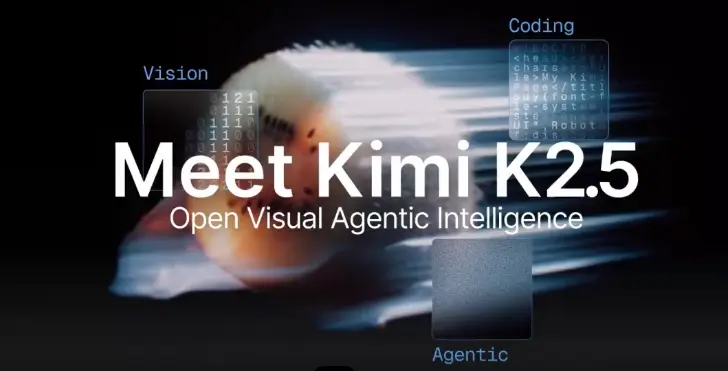
Kimi K2.5 is an open-source multimodal large language model developed by Moonshot AI. It was trained from the ground up to handle text, images, and video as unified inputs, rather than treating vision as an afterthought. With a 256K token context window, the model can process extremely long inputs—entire codebases, research papers, or multi-step conversations—without losing coherence.
The training scale behind K2.5 is equally notable. The model was pretrained on a mixture of trillions of text and visual tokens, enabling it to reason across formats with far greater consistency than earlier multimodal systems. This foundation allows K2.5 to move beyond simple question-answering and into agent-style task execution, where planning, execution, and validation all happen within a single workflow.
Core Capabilities That Matter in Practice
Native Multimodal Reasoning
Kimi K2.5 understands text and images together, without relying on external vision adapters. This leads to more reliable outputs when tasks involve UI screenshots, diagrams, or mixed media content.
Extremely Long Context Handling
With support for up to 256K tokens, the model can analyze long documents, maintain extended conversations, or reason across large projects in a single pass—without aggressive chunking.
Agent Swarm Execution
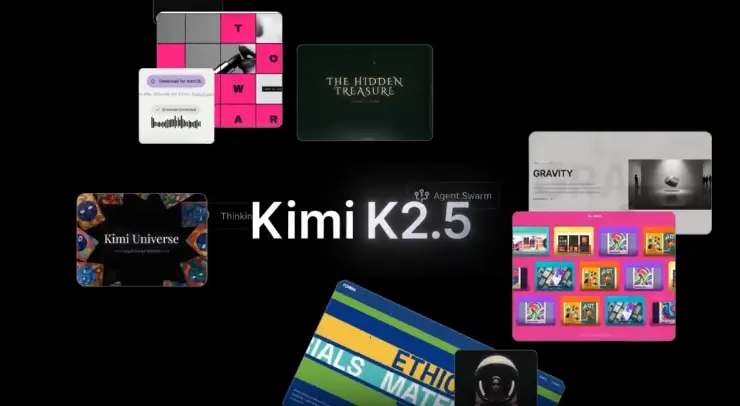
One of K2.5’s defining features is Agent Swarm, which allows multiple internal agents to work in parallel. This makes it especially effective for complex, multi-step tasks that would otherwise be slow or brittle.
Vision-Driven Code Generation
The model can generate frontend and application code directly from visual inputs such as design mockups or screenshots, significantly reducing the gap between design and implementation.
Open-Source and Deployable
Kimi K2.5 is fully open source, giving teams the flexibility to deploy, customize, and integrate the model without vendor lock-in—an important factor for enterprise and research use cases.
Benchmark Results and Real Performance
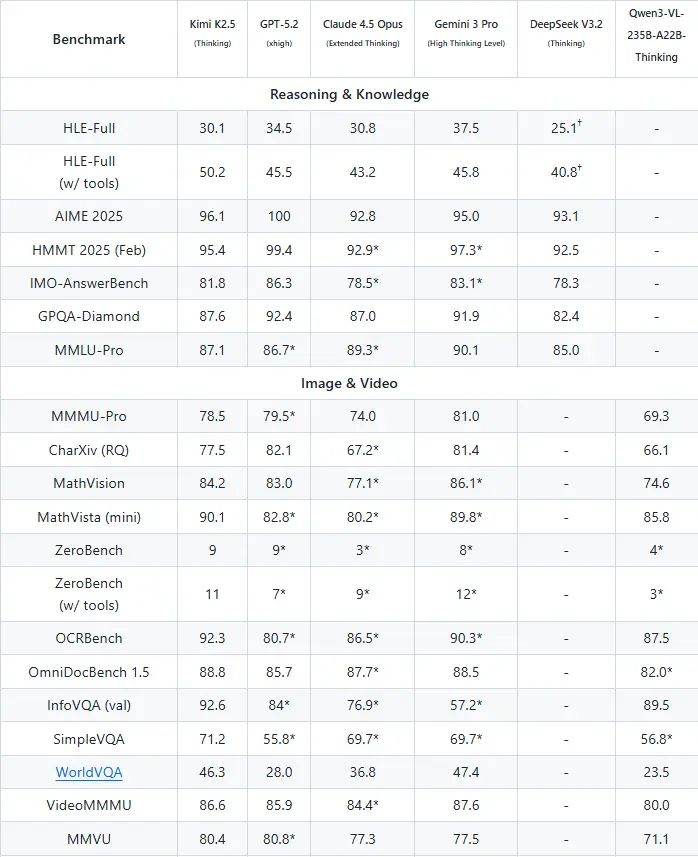
Kimi K2.5 performs strongly across a wide range of benchmarks that measure reasoning, coding, and multimodal understanding:
- AIME 2025 (Math Reasoning): 96.1%
- SWE-Bench Verified (Code Tasks): 76.8%
- OCRBench: 92.3%
- MMMU-Pro (Multimodal Reasoning): 78.5%
- VideoMMMU (Video Understanding): 86.6%
These results place Kimi K2.5 among the top-tier models in its class, particularly when considering that it is fully open source. In several multimodal and reasoning benchmarks, it competes closely with proprietary alternatives while offering far more flexibility.
How Kimi K2.5 Compares to Other Models
When compared with closed-source models like GPT-5.2 or Claude Opus 4.5, Kimi K2.5 takes a different approach. Instead of maximizing a single general-purpose assistant experience, it focuses on agentic workflows, long-context reasoning, and native multimodality.
| Capability | Kimi K2.5 | Closed Models |
|---|---|---|
| Open-Source Access | Yes | No |
| Native Vision | Yes | Partial |
| Long Context | 256K | Typically lower |
| Agent Swarm | Yes | Limited or none |
| Deployment Flexibility | High | Restricted |
For teams that need control, transparency, and customization, Kimi K2.5 offers clear advantages.
Practical Use Cases
UI and Frontend Development
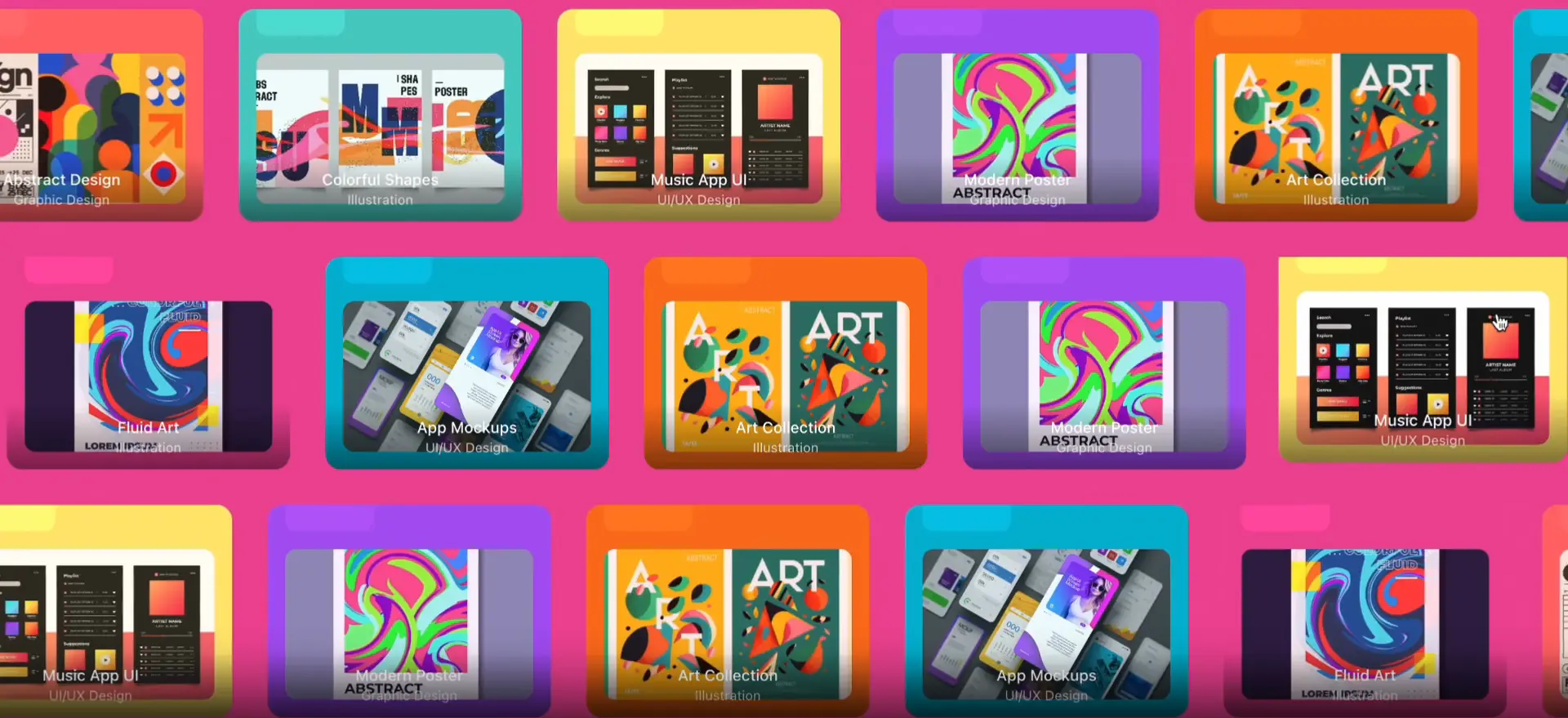
Developers can turn screenshots or design mockups into functional frontend code, speeding up prototyping and reducing repetitive implementation work.
Research and Document Analysis
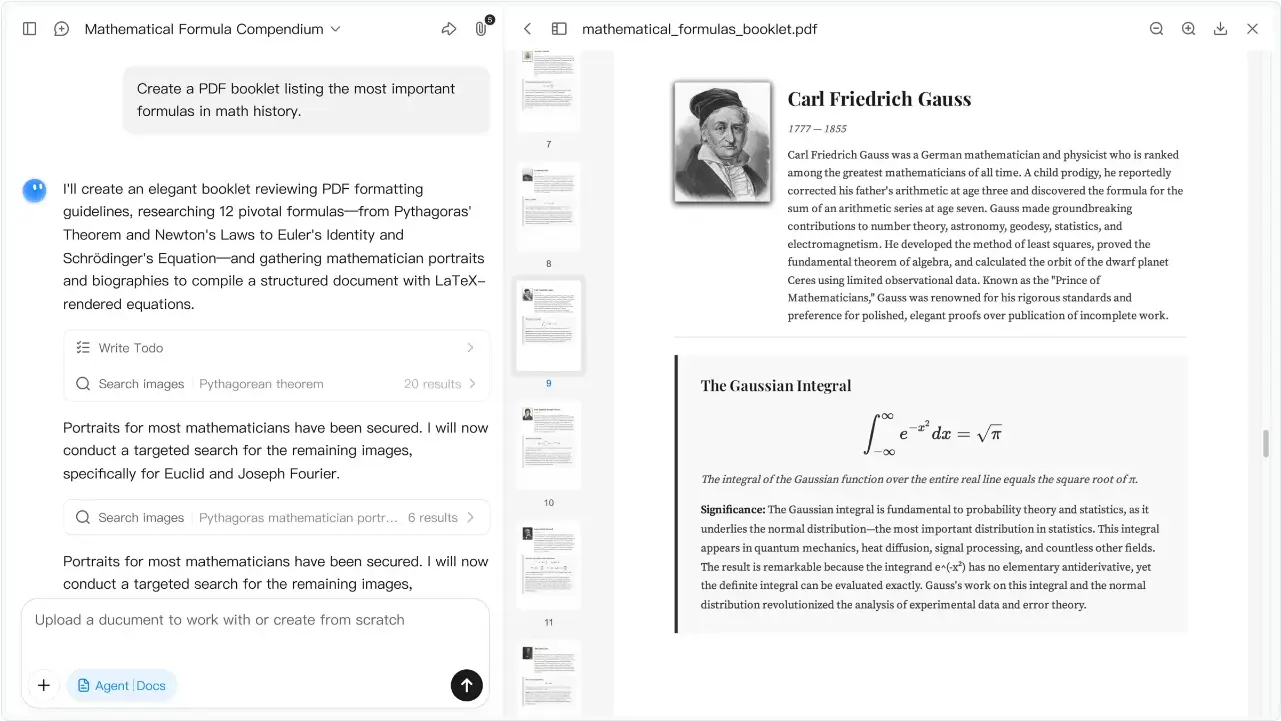
The large context window makes K2.5 well-suited for summarizing long reports, analyzing academic papers, or extracting insights from complex documents.
Workflow Automation
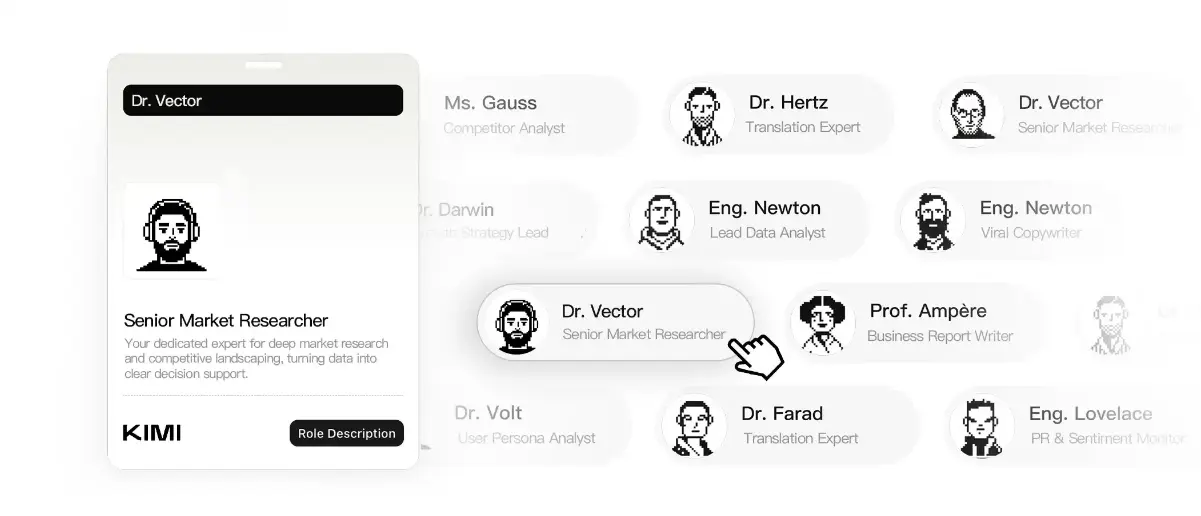
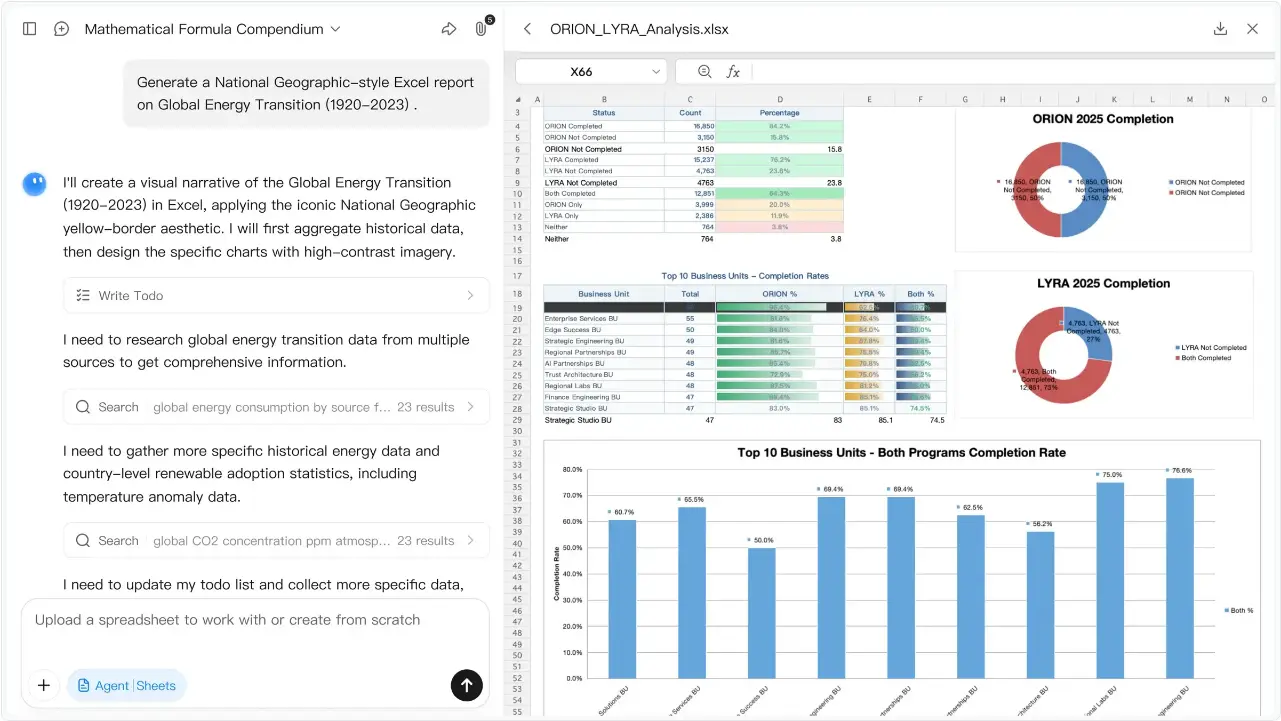
Agent Swarm enables the model to break down large tasks into parallel subtasks, making it effective for automation pipelines and data processing jobs.
Visual Data Extraction
From forms to diagrams, K2.5 can extract structured information from images with high accuracy, supporting OCR and enterprise automation workflows.
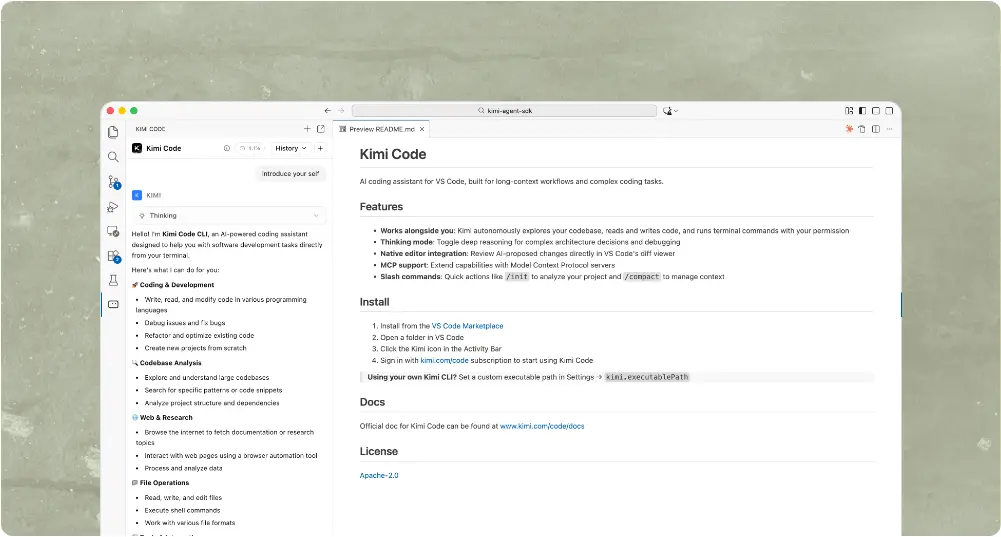
Developer Tooling and IDE Integration
Combined vision and long-context reasoning allows the model to assist with debugging, refactoring, and planning across large codebases.
Using Kimi K2.5 on Siray.ai
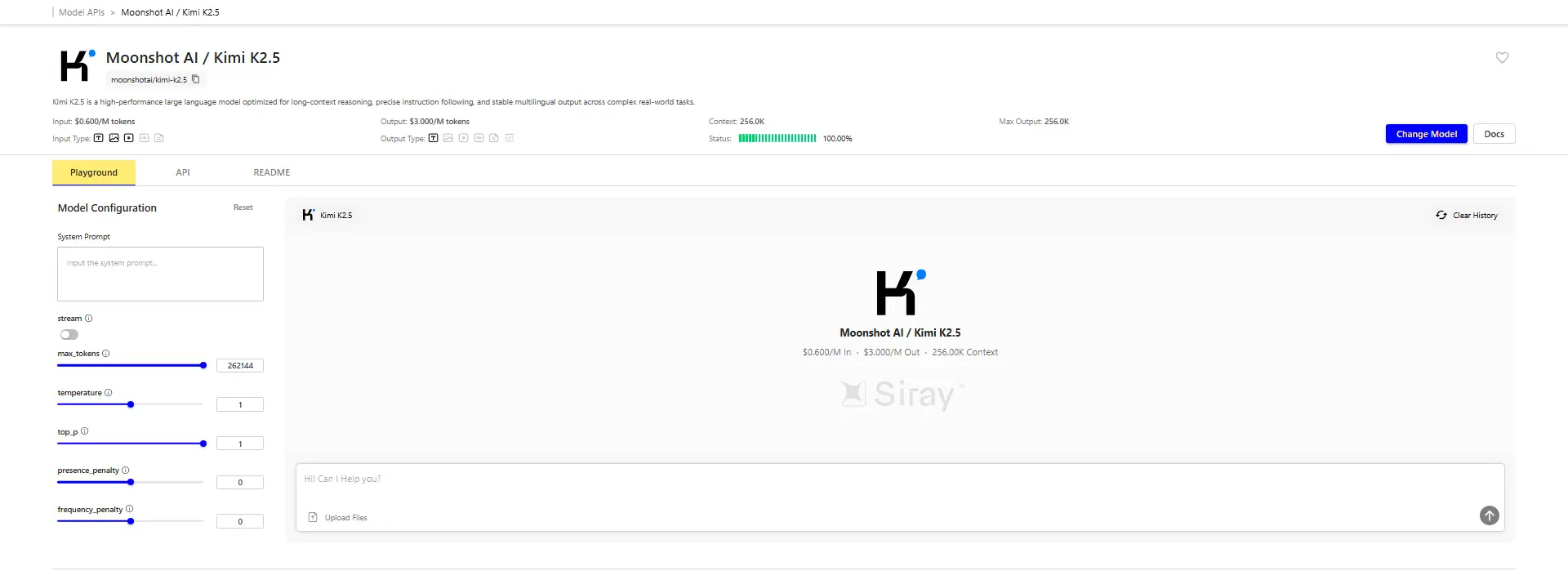
For teams looking to use Kimi K2.5 without managing infrastructure or multiple API formats, Siray.ai provides a practical solution. Siray offers a unified AI API that allows developers to access Kimi K2.5 alongside hundreds of other models through a single interface.
With Siray.ai, you can integrate Kimi K2.5 into your application, workflow tools, or automation pipelines without switching providers or rewriting API logic. This makes it easier to experiment, scale, and move from prototype to production.
Siray.ai supports Kimi K2.5 for multimodal reasoning, long-context tasks, and agent-based workflows—making it a strong option for teams that value flexibility and efficiency.
Final Thoughts
Kimi K2.5 is more than just another multimodal model release. It represents a thoughtful step toward agent-centric AI, where models don’t simply respond to prompts but actively plan, reason, and execute tasks across different modalities.
With strong benchmark results, native vision support, and a genuinely useful agent swarm architecture, Kimi K2.5 is well positioned for real-world use. When combined with unified access through Siray.ai, it becomes even easier for developers and teams to explore its capabilities without friction.
You can try Kimi K2.5 for free on Siray.ai and start building multimodal, agent-driven workflows in minutes.