
Vidu Q4 Suspense Scenes: Let the Background Move First

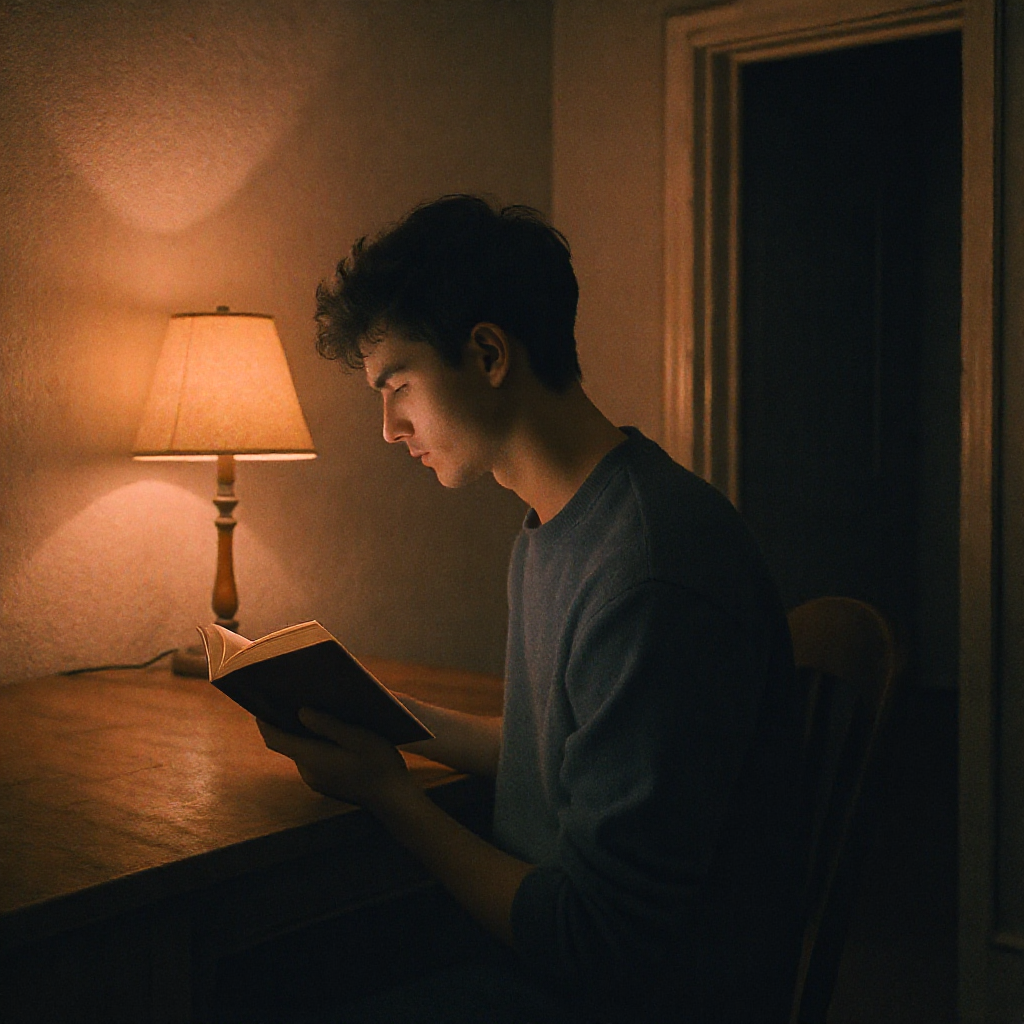
An adult sits reading under a lamp. Behind them, a door that looked closed begins to open. The person keeps reading; the viewer has noticed something they haven't. That gap in awareness is the scene's central idea. Build the shot around it instead of adding a monster, a camera rush and a loud sting at the same moment.
Coming soon: Siray's team says Vidu Q4 is planned for the platform. This is a creative preparation guide, not a tested demonstration of its capabilities.
Key TakeawaysGive the foreground character a quiet activity and place one readable disturbance behind them.Let the viewer recognize the normal scene before introducing the change; relative timing is a creative instruction, not a guaranteed control.Review foreground stability and background continuity separately. Add sound or assemble separate shots in postproduction when the intended effect needs it.
Where Should the Viewer Look First?
Make the foreground activity readable without letting it hide the background event. A seated reader under a lamp gives the scene a clear starting point. Position the doorway beside the person's silhouette, not directly behind their head. The viewer needs a plausible chance to notice the change without an arrow or a sudden cut.
Keep the background simple enough to compare. A doorframe, a strip of hallway and a quiet wall are sufficient. Busy shelves, flickering screens and moving curtains may compete with the intended clue. The important edge must remain visible.
Which Background Disturbance Should You Choose?
Choose one change for the first version. A narrow door gap widening is different from a distant figure crossing a hallway, and both differ from a lamp going dark. Combining them can turn an understated scene into a checklist of effects before any single clue has time to register.
Three possible briefs, used separately:
- Doorway: the gap slowly widens while the foreground reader remains unaware.
- Distant figure: an indistinct adult silhouette crosses an already visible hallway opening.
- Light: a background light fades while the foreground lamp remains steady.
Hold the character's reaction back. If they turn toward the door immediately, the scene becomes a shared discovery. Letting the audience notice first creates a different dramatic situation. This is a staging choice, not a claim about automatic character control.
Write the Foreground and Background Separately
State the camera position, foreground activity and background event in separate sentences. “A frightening room” gives a mood but no clear action. A bounded brief identifies what changes and what should remain stable. Use relative stages rather than inventing precise timing controls for an unverified model.
A fixed-camera suspense shot in a quiet room. A fictional adult sits in the left foreground reading beneath a steady table lamp. The doorway on the right remains visible behind them. Begin with an ordinary still room. Then the background door slowly opens a narrow gap while the reader continues looking at the book, unaware. Hold the uneasy composition without a sudden approach or a reveal of what is beyond the door.
This is a proposed direction. It does not guarantee a motionless foreground, separately controlled layers or an exact door movement. Once Vidu Q4 is available, check its published instructions before choosing how to produce the shot.
How Do You Keep the Reveal From Becoming Noise?
Watch the candidate scene without sound first. Can the viewer identify what changed? Does the foreground remain quiet enough for the background to matter? If the book, hands or face move conspicuously, they may pull attention away from the door even when the intended event appears.
Check the doorframe and wall as well as the moving door. A bending frame or shifting room geometry can look like an unintended artifact rather than a deliberate clue. Reject that confusion instead of treating every strange movement as successful suspense.
Sound can be added afterward: quiet room tone or a restrained door sound may support the cut. This article does not assume native audio generation or synchronization. Avoid using a loud sting to disguise a reveal that cannot be understood visually.
What if the person keeps turning around? Simplify the brief or assemble separately prepared foreground and background material in an editor. That is compositing, not proof of a model-native region lock.
Does the ending need a jump scare? No. Cut while the reader is still unaware, leaving the background change unresolved.
Prepare the blocking and review criteria now. When Vidu Q4 arrives on Siray, test the scene against that brief rather than judging it by how many effects appear.