
Seedance 2.0 for AI Face Swap Video Generation

Introduction
Face swap technology has existed for years, but most earlier systems were limited by poor motion consistency and unrealistic facial blending. Once video generation models became more advanced, the expectations changed quickly.
Developers are no longer looking for simple static swaps. They want systems capable of handling realistic movement, lighting consistency, and identity preservation across longer clips.
This is one reason Seedance 2.0 has started attracting attention inside AI creator communities.
The model appears to focus heavily on controllable video generation workflows, which makes it particularly relevant for applications involving face replacement, character transformation, and cinematic video editing.
For teams building AI video tools, this changes the conversation from experimental demos to something closer to production level workflows.
Why Face Swap Workflows Are Difficult
Image face swapping is relatively straightforward compared to video.
Video introduces several additional problems:
- facial consistency across frames
- lighting adaptation
- motion tracking
- expression preservation
- realistic transitions
Many earlier systems handled still images reasonably well but failed once subjects started moving.
Artifacts became obvious very quickly.
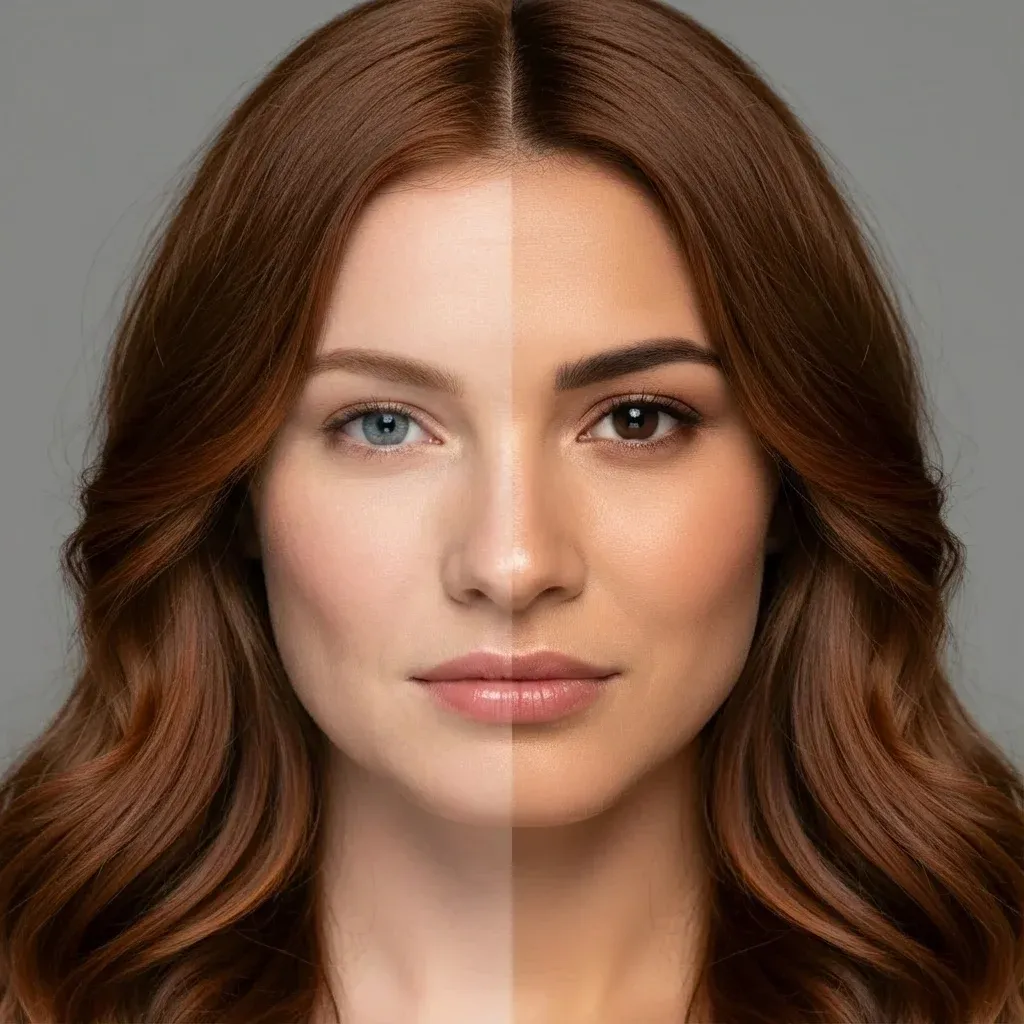
The challenge is not simply replacing a face. It is maintaining realism throughout the entire sequence.
How Seedance 2.0 Changes the Workflow
Seedance 2.0 appears to approach video generation differently from earlier diffusion based systems.
Instead of treating each frame independently, the model focuses more heavily on temporal consistency and instruction alignment.
This matters for face swap scenarios.
Developers can potentially describe instructions such as:
- preserve original lighting
- replace only facial identity
- maintain cinematic camera movement
- keep background unchanged
This instruction driven workflow reduces the amount of manual correction needed after generation.
Flexible Video Generation and Creative Use Cases
One area where Seedance 2.0 is generating discussion is its more flexible approach to prompt handling.
Many hosted video APIs apply aggressive filtering rules that limit what creators can experiment with.
Seedance 2.0 appears more permissive in areas such as:
- stylized cinematic edits
- mature themed visual concepts
- uncensored creative workflows
- character transformation content
For creative communities, that flexibility can be important.
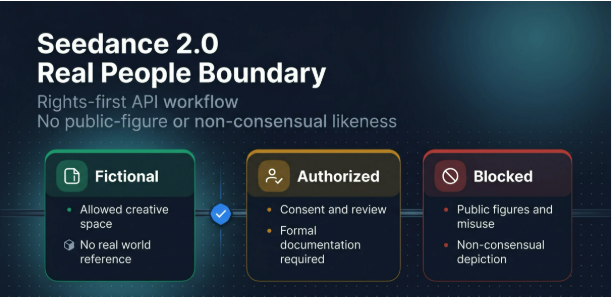
At the same time, developers still retain responsibility for moderation and application level policy controls.
Real World Use Cases
Creator Platforms
Video creator platforms increasingly rely on AI generated editing tools.
Face swap workflows can support:
- short form content creation
- character roleplay videos
- entertainment content
- AI influencer projects
AI Video Editing Tools
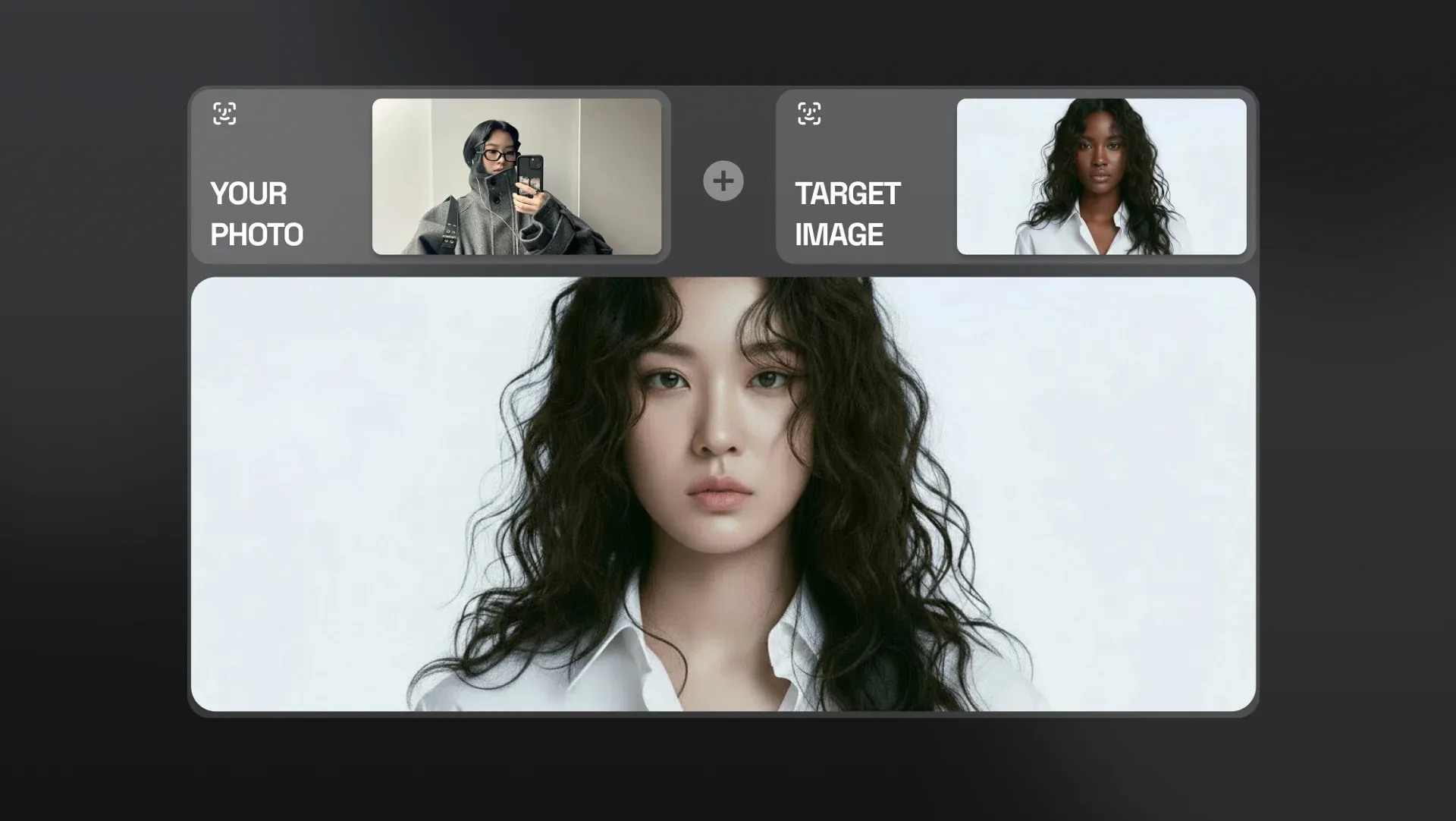
Seedance 2.0 could also support editing workflows where users upload source footage and apply cinematic transformations.
Virtual Character Systems
Some developers are experimenting with AI generated avatars and digital personas.
Consistent identity tracking becomes critical in these systems.
API Access and Integration
Developers evaluating Seedance 2.0 often prefer unified API environments that simplify testing.
Platforms such as Siray.ai allow developers to experiment with multiple AI models through a single API workflow.
This reduces integration overhead and makes benchmarking easier.
Example workflow:
from openai import OpenAI

client = OpenAI(
    base_url="https://api.siray.ai/v1",
    api_key="YOUR_API_KEY"
)
Using a unified API layer also makes it easier to switch between image, video, and language models.
Developer Considerations
Teams building face swap products should pay attention to:
- latency
- frame consistency
- GPU cost
- moderation design
- caching strategies
Video generation workloads are significantly more expensive than image generation.
This becomes especially relevant for longer sequences.
Summary
Seedance 2.0 represents a shift toward more controllable AI video generation.
For face swap workflows, the combination of:
- temporal consistency
- instruction following
- flexible generation
makes the model particularly interesting.
Developers building creator tools and AI video platforms will likely continue exploring this category aggressively.
Seedance related models and APIs are being evaluated through Siray.ai unified infrastructure.