
Seedance 2.0 and the Rise of Uncensored AI Video

Introduction
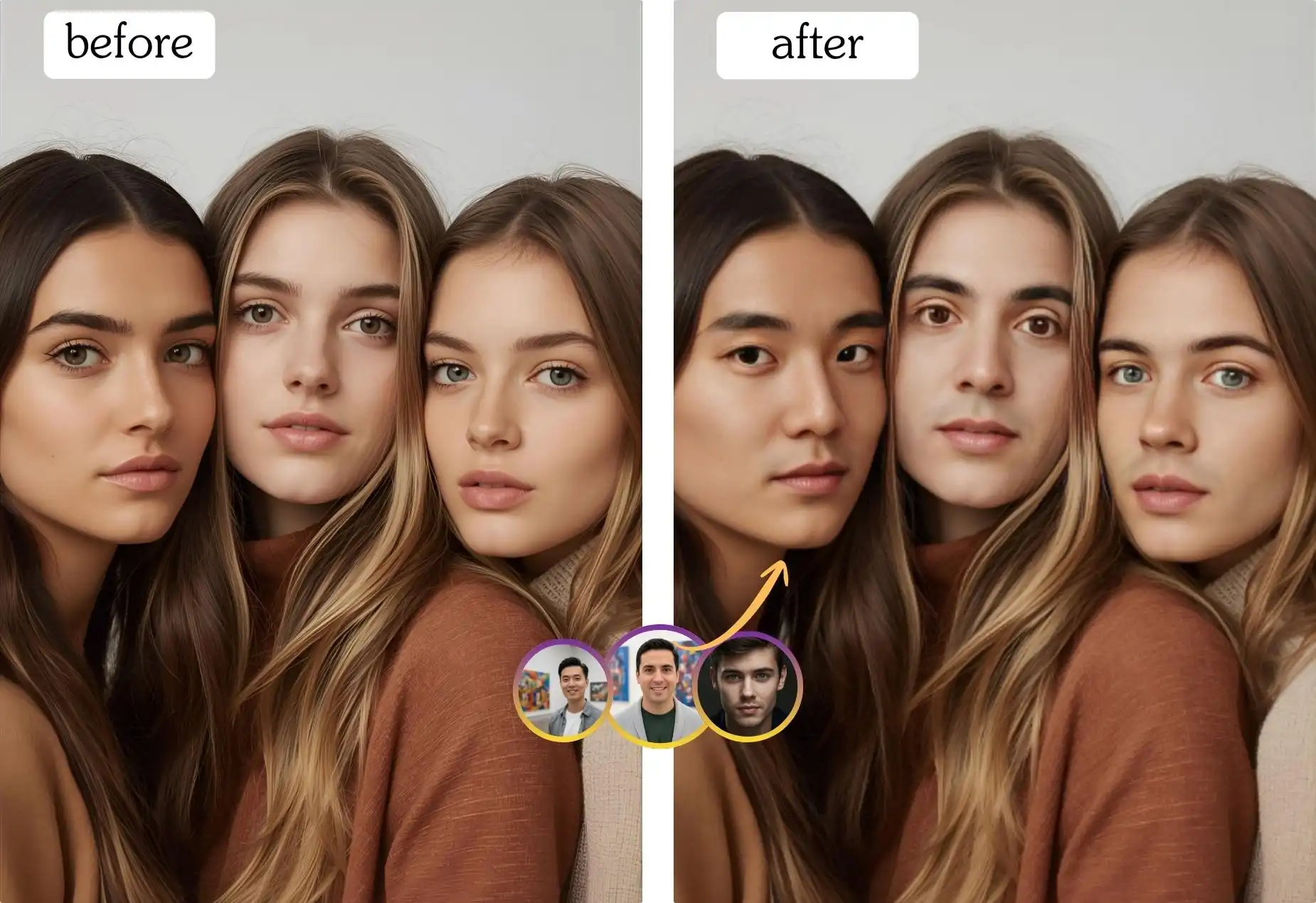
AI face swap systems are becoming increasingly sophisticated. Earlier tools often produced unrealistic results that were easy to detect, especially in longer videos.
That is beginning to change.
Seedance 2.0 is part of a newer generation of AI video models focused on maintaining realism across movement, lighting, and facial expressions.
For developers building creator tools, entertainment platforms, or AI editing products, realistic identity transformation has become a major area of interest.
Why Realism Matters
Most users notice face swap failures immediately.
Common problems include:
- unstable facial features
- inconsistent skin tones
- poor expression tracking
- lighting mismatches
Once motion enters the scene, maintaining realism becomes much harder.
Seedance 2.0 appears optimized for these more demanding workflows.
A More Flexible Generation Pipeline
Another reason developers are watching Seedance 2.0 is its more flexible approach to content generation.
Some hosted video APIs aggressively restrict prompts related to transformation, roleplay, or mature themed creative work.
Seedance 2.0 appears to allow broader prompt interpretation.
This opens possibilities for:
- cinematic roleplay edits
- uncensored creative projects
- stylized character transformations
- experimental creator workflows
For AI creator communities, fewer prompt restrictions can significantly improve usability.
Face Swap and Character Transformation
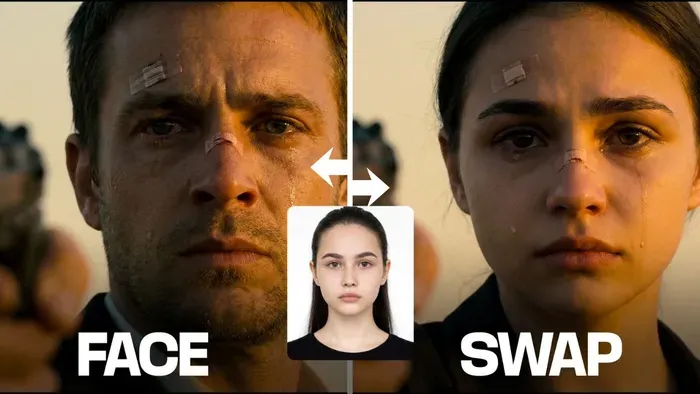
One interesting use case is identity transformation inside generated scenes.
Examples include:
- replacing actors while preserving movement
- converting live footage into stylized characters
- generating AI influencer content
- creating cinematic avatar videos

Instruction driven systems tend to perform better because they preserve scene level consistency.
NSFW Friendly Video Generation
Some creator communities specifically search for AI video systems capable of supporting mature themed content generation.
Seedance 2.0 has started appearing in these discussions because of its relatively permissive generation behavior.
This does not remove the need for moderation.
Instead, it shifts responsibility toward the application layer.
Developers can implement:
- user controls
- moderation systems
- access management
- generation limits
This model level flexibility combined with application level moderation is becoming increasingly common.
Developer Integration
Unified API environments simplify experimentation.
Siray.ai allows developers to test different AI models through a single API structure, making it easier to benchmark workflows involving:
- video generation
- image editing
- face transformation
- creator automation
This is particularly useful for startups testing new creator products.

Performance Considerations
Face swap video generation can become computationally expensive.
Developers should monitor:
- render latency
- frame resolution
- queue management
- GPU allocation
Caching and batching can reduce operational cost significantly.
Summary
Seedance 2.0 is generating interest because it combines:
- realistic motion consistency
- identity preservation
- flexible generation behavior
For creator focused AI products, these capabilities open new possibilities for cinematic editing and transformation workflows.
Developers interested in next generation AI video workflows can explore upcoming integrations through Siray.ai.