
GPT Image 2.5 Flare: Localize Text on Packaging Images

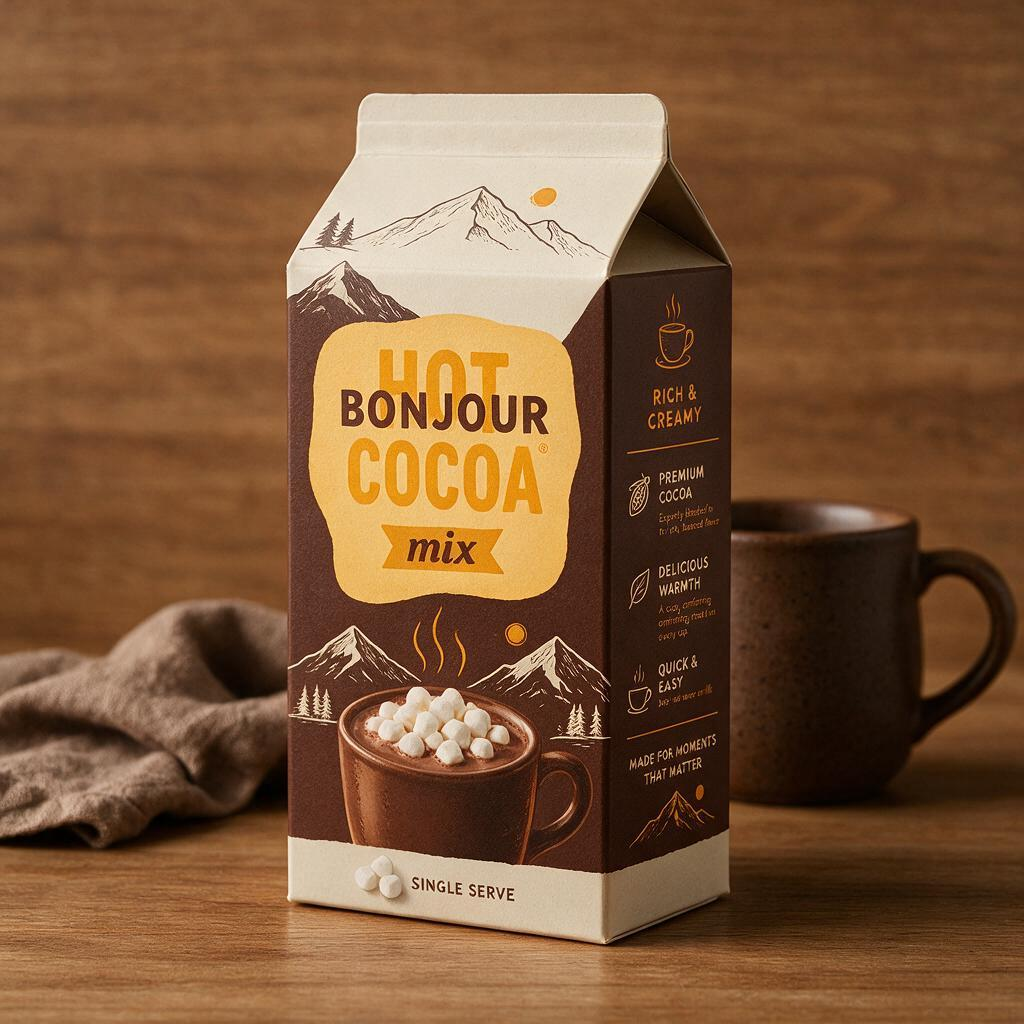
A translated packaging mockup needs more than readable words. The approved wording, product shape, label position, and visual hierarchy all have to survive the edit. GPT Image 2.5 Flare can accept source images and an editing prompt, but that does not establish translation accuracy or print readiness. Start with human-approved copy and treat the output as a mockup to inspect.
Key TakeawaysSeparate translation approval from image generation.Specify exactly which text changes and which marks remain untouched.A mask is available, but its presence does not prove pixel-perfect preservation.Keep barcodes, mandatory copy, and production artwork in a controlled layout workflow.
Build a Copy Map Before Editing
Make a small source-to-target table outside the image. Identify each text block by position: front headline, lower subtitle, side-panel description. Include punctuation, accents, capitalisation, and line-break preferences. A reviewer should approve the wording before it enters the image prompt; the generator is not the final language authority.
Keep the brand name separate from descriptive copy. A name may stay unchanged while the headline changes language. Use a clearly fictional, unbranded package for an editorial demonstration, or artwork the team is authorised to modify. Do not let a generated mockup imply approval by a real brand.
Start With One Short Text Block
A flat, front-facing panel with one short headline is easier to inspect than a curved label covered in small print. Preserve the carton shape, panel colour, illustration, and lighting in the instruction. Request only the agreed text replacement, then inspect the actual result before attempting another panel.
The Siray GPT Image 2.5 Flare Edit specification requires model, prompt, images, and size. The image array accepts one to sixteen entries. An optional mask is described as an inpainting mask, but the fetched schema does not explain its encoding or protected-pixel behaviour. Follow verified interface instructions rather than inventing a mask convention.
Separate Text Accuracy From Layout Quality
Check | What must be reviewed |
|---|---|
Characters | Every letter, accent, numeral, and punctuation mark matches approved copy |
Hierarchy | Headline and supporting text retain the intended prominence |
Placement | Text stays on the correct panel, with enough margin |
Product | Shape, illustration, colour, and non-target marks remain appropriate |
Read the output at full size and at the size customers would actually see. OCR can flag discrepancies, but it is not a substitute for human reading. A plausible-looking word can still contain a substituted letter; a correct sentence can still be too small or poorly spaced to use.
Do Not Solve Translation Length by Distortion
A longer translation may need a different line break, smaller type, or a wider text area. Decide that in the copy and layout brief rather than accepting stretched letters. If the new text no longer fits the approved design, revise the layout deliberately. Repeated generation is not a reliable substitute for typography work.
For a precise deliverable, ask the model for a clean visual concept and place final text with a design tool. Keep a record of the approved copy and source artwork so later language versions do not drift. This differs from the GPT Image pricing guide: the decision here is what to edit generatively and what to typeset exactly, not which model tier costs less.
Can the Result Go Straight to Print?
Not on the basis of an image preview alone. Verify dielines, bleed, colour requirements, fonts, and required labelling through the production process. Do not generate a barcode or regulatory statement and assume it is valid. The endpoint returns image formats, not an assurance of editable packaging artwork or compliance.
The sample below requests a short, non-regulated headline change on a fictional carton. It has not been run, and no lettering accuracy or preservation result is claimed.
Create your free Siray account and test one approved text replacement before planning a full multilingual packaging set.