MiniMax H3 Fan Edits: Keeping a Licensed Character On-Model

Key Takeaways
- This is not the "which model should I use" question — Seedance 2.5 vs MiniMax H3 for Fan Edits covers that selection. This piece assumes MiniMax H3 is already the pick and walks through the mechanism for keeping one character on-model across a multi-shot sequence.
- "Licensed character" here means a character the creator actually has rights to use — public-domain or wholly AI-original designs. This is not a workflow for reproducing copyrighted characters without rights.
- The consistency mechanism is ref2v's reference-image input, not a seed lock or a longer text description — MiniMax H3 has neither seed nor negative_prompt.
What "On-Model" Actually Means Across Shots
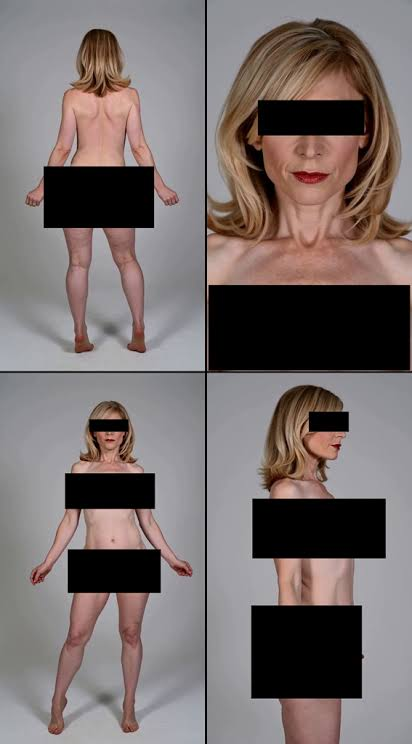
Drift shows up the moment a character is regenerated shot to shot from a fresh text prompt: the outfit shifts color, the face proportions wander, small details a viewer would notice — jewelry, hairstyle — don't survive. Describing the character more carefully in text doesn't fix this; the model has no memory of the previous shot. The fix is feeding the same visual reference into every generation instead of re-describing the character each time.
The ref2v Mechanism, Element by Element
Element 1 — what ref2v takes as input.
MiniMax H3's ref2v endpoint accepts reference images alongside the prompt. The first 5 reference images in a request are free; each additional image from the 6th onward costs a flat +$0.40, regardless of which resolution tier the output uses.
Element 2 — which references to feed.
A front view, a profile or three-quarter view, and one close-up of a defining detail (outfit, accessory) cover most drift cases without needing all 5 free slots. Adding more angles later in a sequence is a paid add rather than a required baseline.
Element 3 — resolution tier and cost.
Output resolution comes in three tiers: 768p, 2k, and 4k. Pricing is linear per second of output at each tier — $0.08/s at 768p, $0.13/s at 2k, $0.16/s at 4k — with no tiered discount for longer clips. A 10-shot sequence at 4k costs meaningfully more than the same sequence at 768p; for draft passes before a final render, the lower tier is the cheaper way to check consistency first.
Element 4 — no seed, no negative prompt.
MiniMax H3 exposes neither seed nor negative_prompt on any endpoint. Consistency isn't a lock-the-randomness trick here — it comes entirely from what reference images are in the request.
Combined example: a 3-shot sequence — establishing shot, close-up, action shot — all generated at 768p using the same 3 reference images (front, profile, outfit detail) submitted with each ref2v call, rather than 3 unrelated generations each re-describing the character in the prompt.
Building a Shot Sequence Without Drift
Lock the reference set before the first shot, and reuse it — unchanged — across every shot in the sequence. Swapping or adding references mid-sequence reintroduces the drift the reference set was meant to prevent, since later shots are no longer anchored to the same visual source as earlier ones.
MiniMax H3 does carry light content moderation. It isn't absent, and this piece isn't a guide to probing where its edges sit — build sequences with that in mind rather than treating the endpoint as unrestricted.
Developer Notes
ref2v takes the reference images alongside the standard prompt and size fields; there's no separate "character lock" flag in the schema — the reference-image input is the entire mechanism. MiniMax H3 shares the same Siray API key as every other model on the platform, so combining it with an image model for concept references, or a different video model for other shots, is a config change rather than a new integration.
FAQ
Does MiniMax H3 support reference images for character consistency?
Yes, through ref2v. The first 5 reference images per request are free; the 6th and beyond each cost a flat +$0.40, at any resolution tier.
Can I use a real licensed or trademarked character in a fan edit?
No — this workflow is for public-domain or wholly AI-original character designs. It does not cover, and does not endorse, reproducing copyrighted characters without the rights to use them.
Does MiniMax H3 have a seed or negative prompt for consistency?
No. Neither field exists on any MiniMax H3 endpoint. Consistency comes from the reference images submitted with each generation, not from locking randomness or excluding terms.
Create your free Siray account and start generating MiniMax H3 fan edits.