
Seedance 2.5 vs LTX 2.3: Best Pick for Character Consistency

When people compare Seedance 2.5 and LTX 2.3, they usually reach for resolution and price first. Neither tells you which one keeps a character's face intact across ten generations. That question comes down to a single structural fact: one of these models ships a dedicated reference-to-video endpoint, and the other doesn't. Everything else — cost, resolution ceiling, workflow — follows from that one difference.
Key Takeaways
- LTX 2.3 ships only t2v and i2v — there is no ref2v / reference-to-video endpoint on this model at all.
- Seedance 2.5's ref2v endpoint accepts up to 30 reference images and 10 reference videos to lock a subject's appearance across a generation.
- Seedance 2.5 tops out at 720p; LTX 2.3 goes up to 1080p — the sharper output simply has no native consistency mechanism behind it.
- LTX 2.3 is cheaper per second at every tier, but that budget has nowhere dedicated to spend on identity lock.
The Structural Difference: One Has a Reference Endpoint, One Doesn't
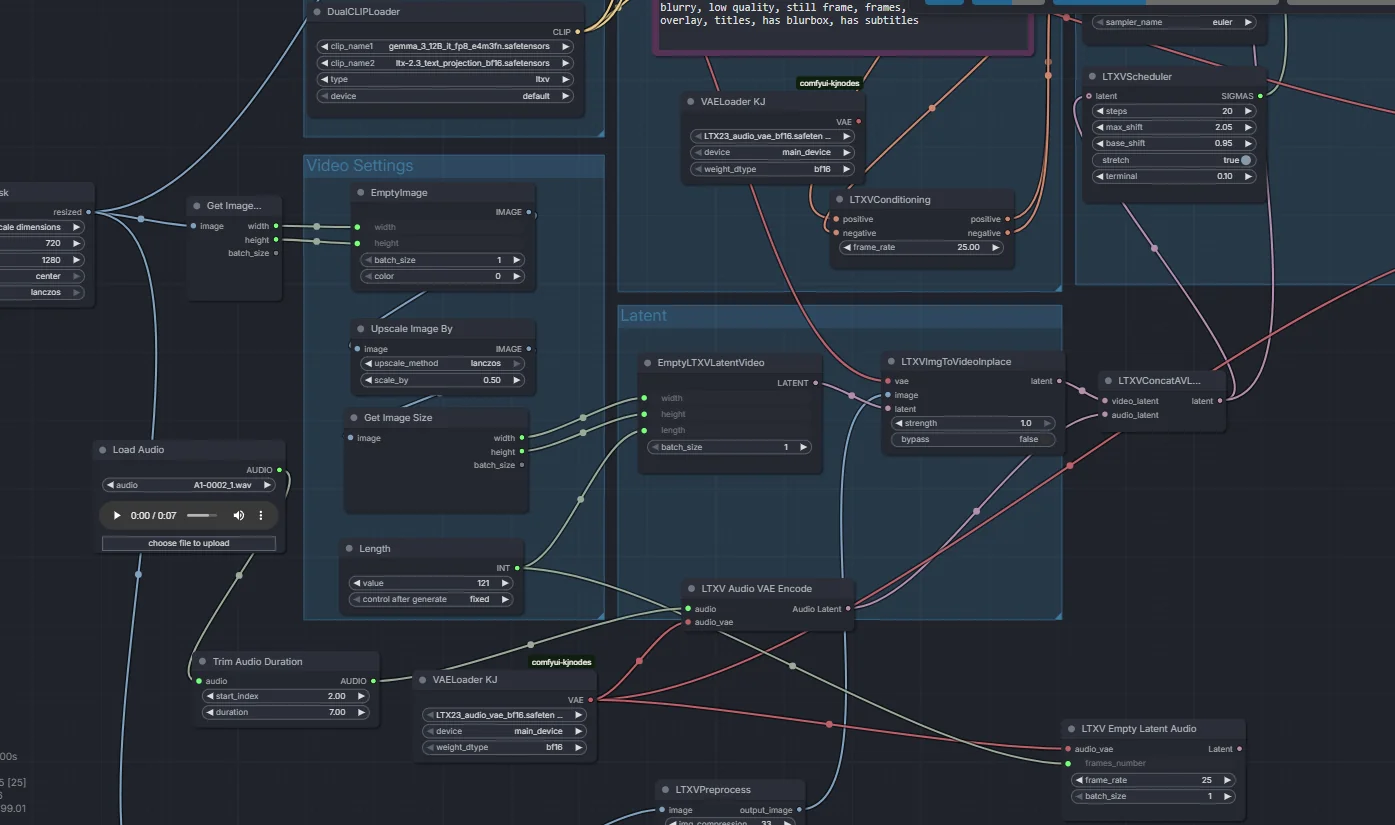
LTX 2.3's Siray-hosted endpoint set is lightricks/ltx-2.3-22b-{t2v,i2v} — text-to-video and image-to-video, full stop. There's no ref2v variant documented for this model. If a character needs to look the same in shot four as in shot one, LTX 2.3 offers no platform feature built for that — a single seed image and a prompt is all a call has to work with.
Seedance 2.5, bytedance/seedance-2.5-{t2v,i2v,ref2v}, adds that third endpoint specifically for this problem: feed it up to 30 reference images and 10 reference videos, and it uses that pool to hold a subject's appearance steady across the output. That's a real, separate request shape in the API with its own input fields, not a prompting trick.
Seedance 2.5 | LTX 2.3 | |
Endpoints | t2v, i2v, ref2v | t2v, i2v only |
Resolution | 480p, 720p | 720p, 1080p |
Duration | 4-30s | 6-20s |
Reference mechanism | ref2v: ≤30 images, ≤10 videos | none |
License | — | Apache-2.0 |
For a character-consistency use case, this is the deciding fact before looking at anything else.
What It Costs
Seedance 2.5's t2v/i2v runs a flat per-second rate: 480p at $0.134/s, 720p at $0.290/s (console-confirmed against a full duration table). Its ref2v endpoint is range-priced — documented around $0.29-$0.8205/s at 720p depending on how much reference material is supplied — and that range hasn't been reconfirmed against the live console Pricing block in this pass, so treat it as a starting estimate and check the console before committing to a shoot budget.
LTX 2.3 runs a flat four-tier rate: $0.0391/s at 720p/24fps up to $0.1098/s at 1080p/30fps. Per second, it's the cheaper model at every comparable tier. But that lower rate buys a sharper frame with no reference input to spend it on — the price gap isn't a discount on the same feature, it's a different feature entirely.
Working Around LTX 2.3's Missing ref2v
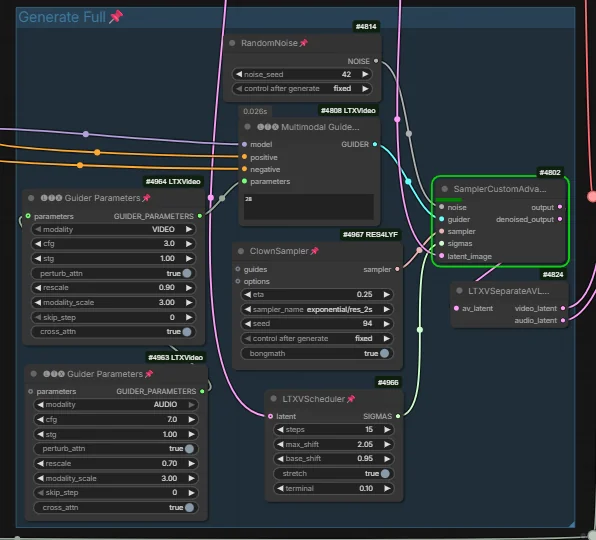
Without a reference endpoint, consistency on LTX 2.3 has to come from discipline, not a platform feature: reuse the exact same seed frame across every i2v call in a sequence, and keep the character description worded identically shot to shot instead of re-describing the subject each time. It holds up reasonably well across a handful of consecutive clips, but degrades faster than a real multi-reference input over a long sequence, and there's no fallback when a generation drifts — the only move is to re-roll.
For Seedance 2.5-specific consistency technique (reference-image selection, angle coverage), see our companion piece: How to Keep Character Consistency in Seedance 2.5 Fan Edits.
Which One to Pick
Building a multi-shot sequence where the same character has to survive many generations, and a 720p ceiling is acceptable — take Seedance 2.5's ref2v. Need the sharper 1080p output, the budget runs tighter, and consistency can be maintained manually through a disciplined single-seed workflow — LTX 2.3's i2v is the cheaper, higher-resolution option, with the tradeoff spelled out above.
Developer Notes
Both endpoints sit behind the same request shape as the rest of the Siray catalog — swap the model string between bytedance/seedance-2.5-ref2v and lightricks/ltx-2.3-22b-i2v, and the rest of the call stays the same. One API key covers both.
LTX 2.3 has no reference-to-video endpoint; Seedance 2.5 does. That one fact, not resolution or price, is what should decide this comparison for a character-consistency project.
Create your free Siray account and test both approaches on your own reference set before locking in a production pipeline.