
Seedream 4.5 ref2i: Character Consistency Without a Seed

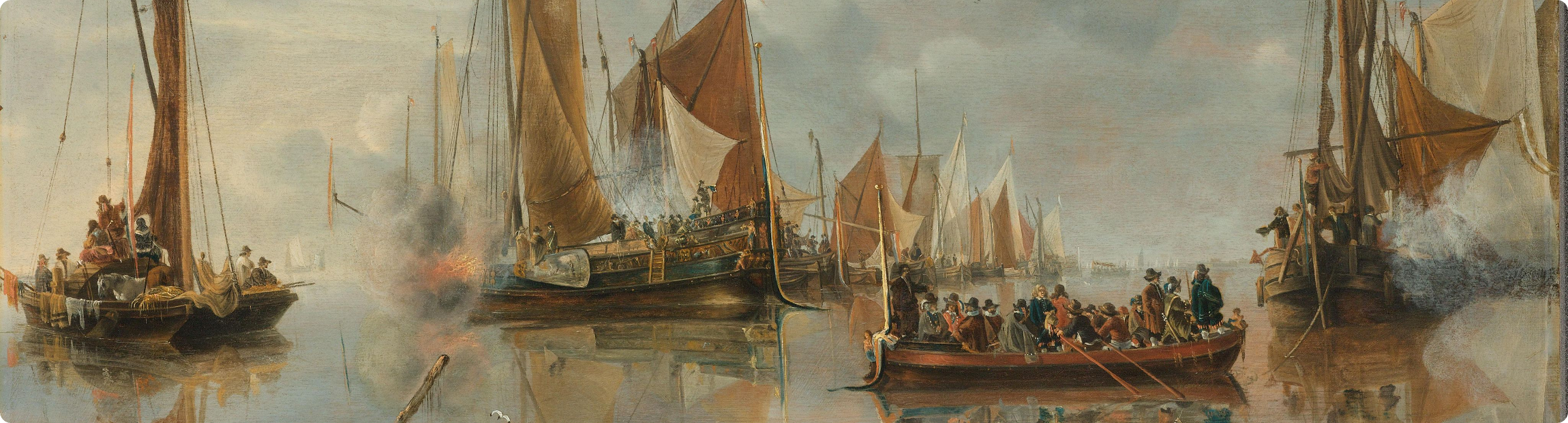
A 12-page picture book needs the same child, the same coat, the same dog, on every page. Most image endpoints hand you a seed and tell you to pin it. bytedance/seedream-4.5-ref2i does not have one. The entire request body is four fields: model, prompt, images, size. Consistency has to come from somewhere else, and on this endpoint there is exactly one place it can come from.
Key Takeaways
- There is no seed, no n, no negative_prompt and no prompt-expansion toggle. Four fields, all required.
- images takes 1 to 10 reference URLs. That array is your only consistency lever.
- size is eight fixed pixel strings, not 1k/2k and not arbitrary dimensions. Pick the page shape before you start
Four Fields, No Seed
The published spec lists model, prompt, images and size as required, and lists nothing else at all. There is no optional block. That is unusually sparse even for a reference-to-image endpoint, and it changes how you plan a series: you cannot hold randomness fixed and vary the prompt, because there is no randomness handle to hold.What you can do is hold the references fixed and vary the prompt. That is the intended shape of the endpoint, and it is why a character sheet matters more here than a prompt template does.
Consistency Lives in images
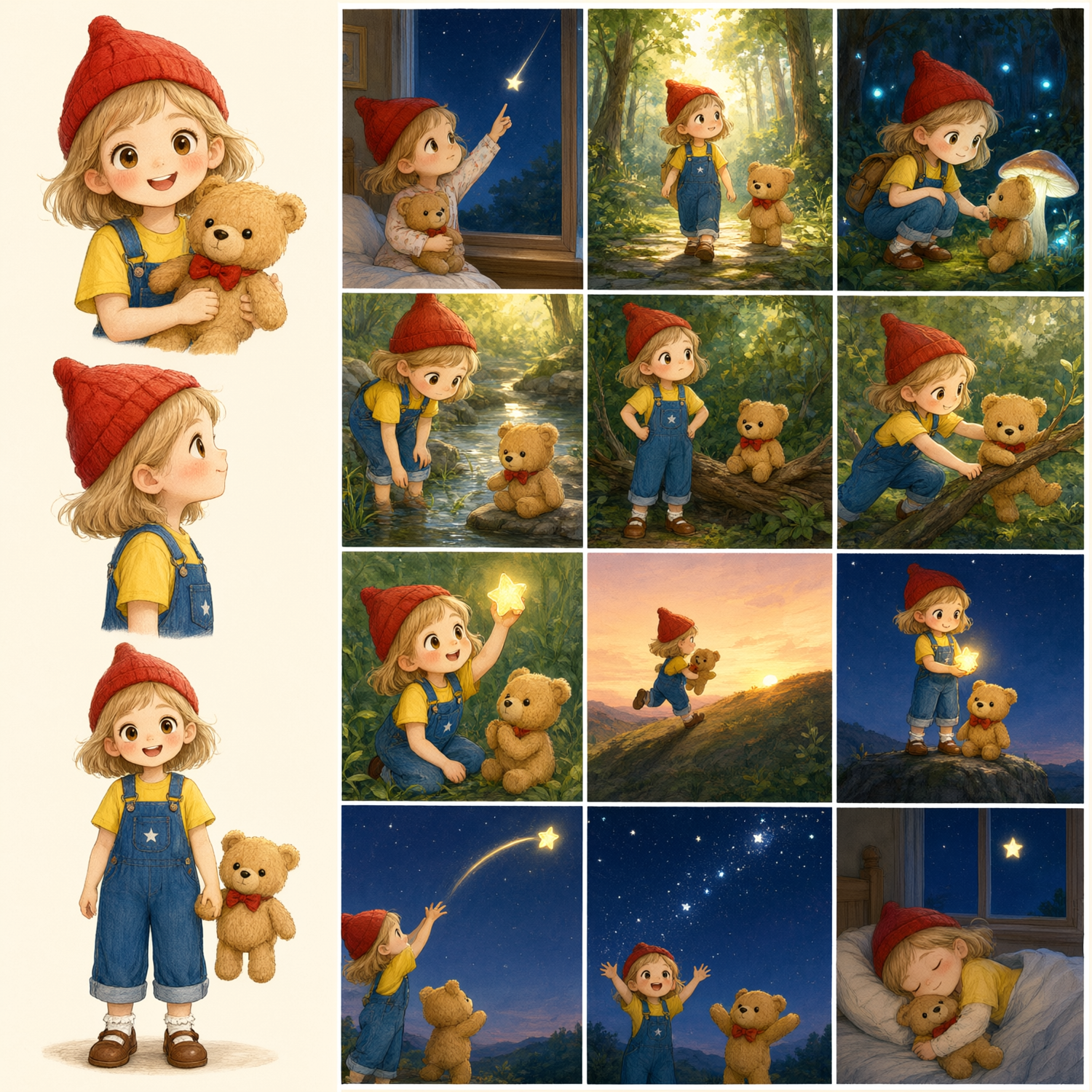
images is an array of 1 to 10 strings. For a picture book, build the character sheet once and pass the same array on every page:
- front view, neutral pose
- three-quarter view
- full body, showing the outfit
- a close crop of the face
- the recurring prop or animal companion
Five references, reused unchanged across all twelve pages, with only prompt describing what happens on that page. The references are the continuity; the prompt is the scene. If you swap references between pages, you have changed the one variable that was holding the book together.Ten is the ceiling. Seedream 4.5 covers the model family's wider behavior, and batch consistency on Qwen Image 3 edit shows the same discipline applied on an endpoint that does have a seed.
size Is Eight Pixel Strings
Not 1k, not 2k, not width and height you choose. Eight exact strings:
Value | Shape | Use |
1728x2304 | 3:4 portrait | Standard picture-book page |
2048x2048 | 1:1 | Square board book |
3024x1296 | 21:9 | Double-page spread |
2304x1728 | 4:3 landscape | Wide scene page |
2560x1440 / 1440x2560 | 16:9 / 9:16 | Screen-first editions |
2496x1664 / 1664x2496 | 3:2 / 2:3 | Photo-proportion pages |
Decide the trim size before page one. Re-rendering twelve pages because you picked landscape when the book is portrait costs another full book.
A 12-Page Book, Priced
At the $0.040 per-image rate shown on the console model-detail Pricing block on 2026-09-17, with no discount badge on this endpoint:
Job | Images | Cost |
One page | 1 | $0.040 |
12-page book, one render each | 12 | $0.48 |
12 pages, three candidates each | 36 | $1.44 |
12 pages plus 4 spreads, three each | 48 | $1.92 |
A whole book under two dollars is the useful framing. The expensive part of this work was never the render.
Developer Notes
Field | Shape | Note |
model | fixed string | bytedance/seedream-4.5-ref2i |
prompt | string | The only per-page variable |
images | 1-10 strings | Required; your character sheet |
size | 8 fixed strings | Required; no default |
Compare with Seedream 4.0 if you are deciding which generation to build on.Create your free Siray account and render one page with your character sheet before you commit to a trim size.